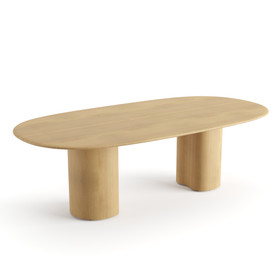
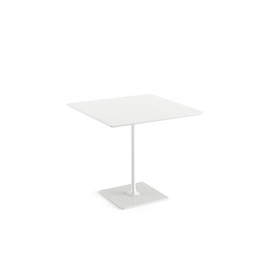
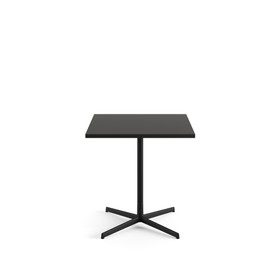
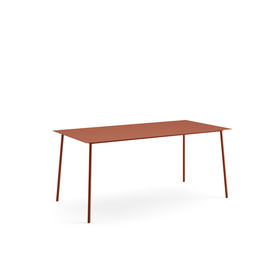
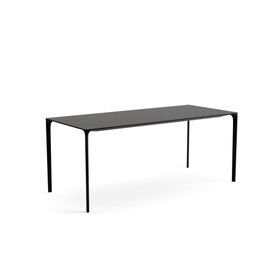
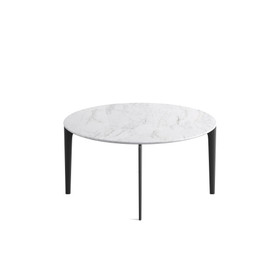
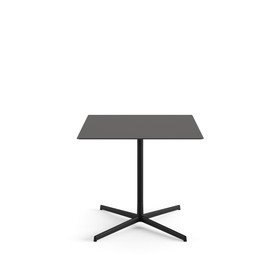
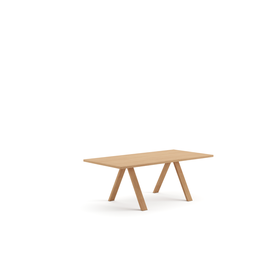
Designer tables and low tables: how do you choose the right system for contract spaces?
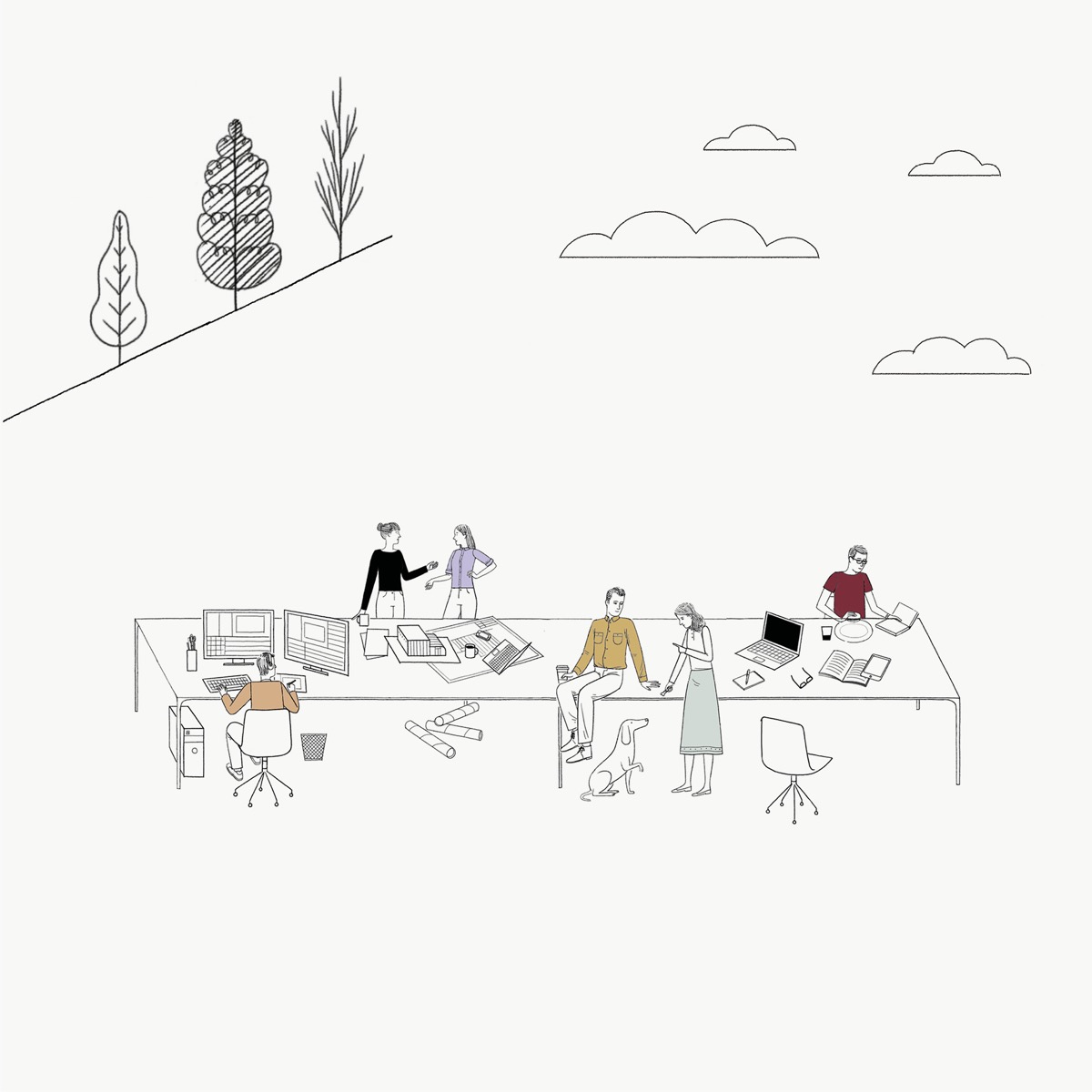
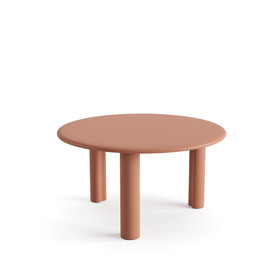
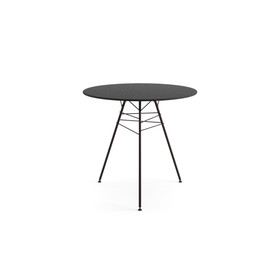
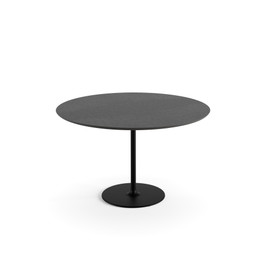
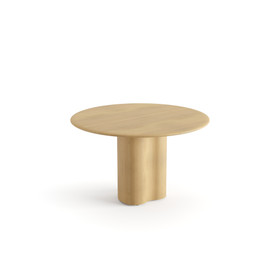
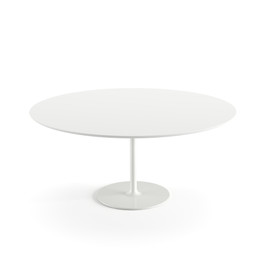
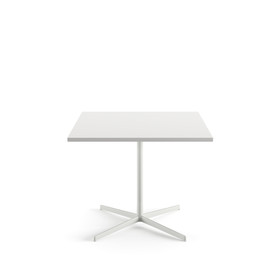
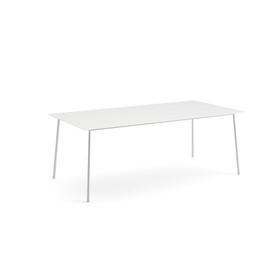
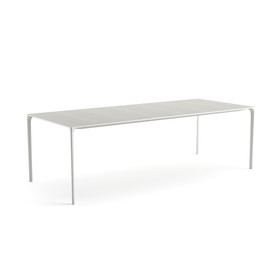
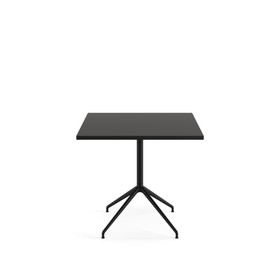
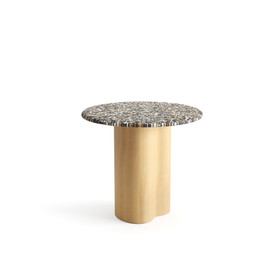
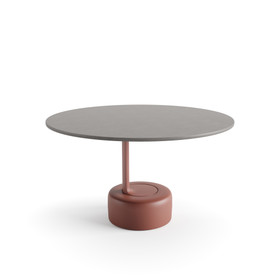
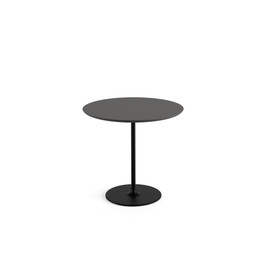
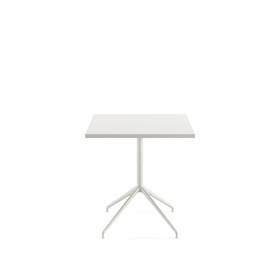
Arper tables and low tables offer a versatile solution for contract furniture, helping create coherent, functional and welcoming contract environments. The choice depends on how the space will be used, the number of people, the desired level of formality and the relationship with seating, circulation routes and the surrounding architecture. A large, linear office table can become the focal point of a meeting room or collaborative area, while in a lounge, low tables provide discreet surfaces for waiting, conversation or breaks.
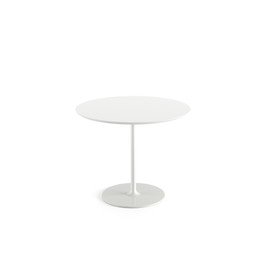
Collections such as Dizzie and Ghia make it possible to explore different shapes, proportions and materials, adapting to professional, hospitality and shared environments. This design approach naturally extends to more specialized elements, including consoles and occasional tables.
Console tables and low tables: how can they enhance entrances, lounges and waiting areas?
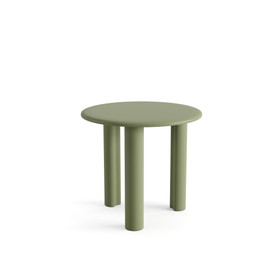
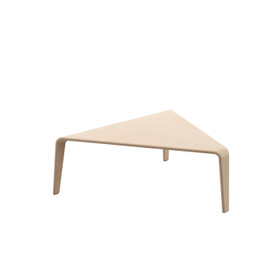
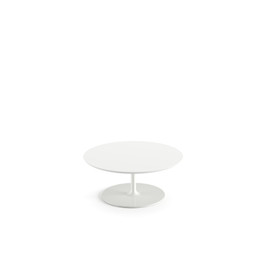
A console table is ideal for completing entrances, reception areas, corridors and waiting spaces with both a practical and decorative function. In contract projects, a console provides an elegant surface without taking up too much space, helping the environment feel more organized and welcoming. In a corporate lobby, for example, a console can complement a reception area by holding information materials, decorative objects or functional accessories; in a lounge, low tables can create smaller social zones beside sofas, armchairs or benches. The Kiik collection, with seating, low tables, ottomans and consoles, responds to the needs of these in-between spaces designed for waiting, informal work and social interaction. When the project extends to bars, restaurants and outdoor environments, durability, proportions and ease of use become central considerations.
Bar and hospitality tables: which features matter most?
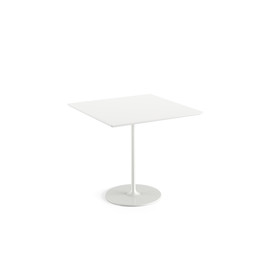
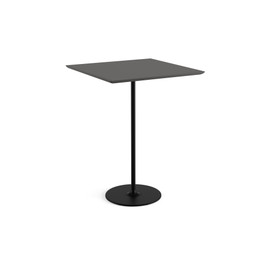
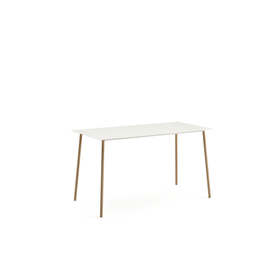
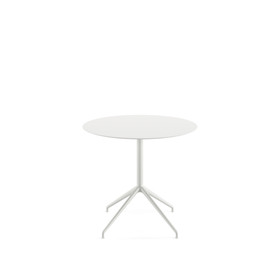
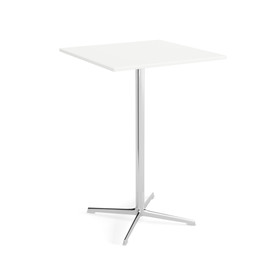
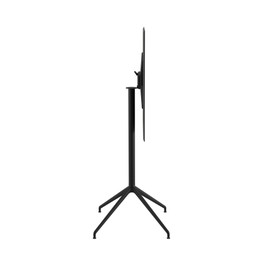
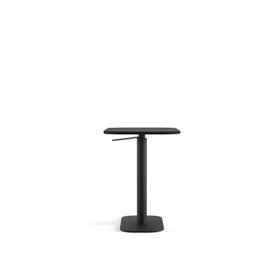
A designer restaurant table must combine aesthetics, stability and materials suited to frequent use. In restaurant furniture design projects, as well as in hospitality settings, patios, corporate terraces and outdoor spaces, the table should integrate easily with the seating, support the requirements of service and remain consistent with the overall atmosphere. In a bar or café, for example, compact tables and durable tabletops support efficient turnover, comfort and visual order; in a garden or contract terrace, outdoor solutions such as Wim or Onemm make it possible to create elegant, durable spaces for socializing.
- Bars and cafés: compact, practical tables that are easy to manage
- Restaurants: well-proportioned tabletops designed for comfort and service
- Outdoor spaces: materials and finishes suitable for terraces, patios and gardens
In this way, tables and low tables become design tools that connect work, hospitality, relaxation and social interaction.