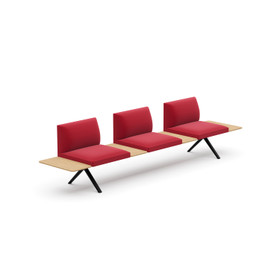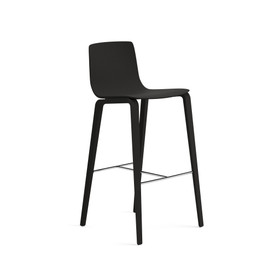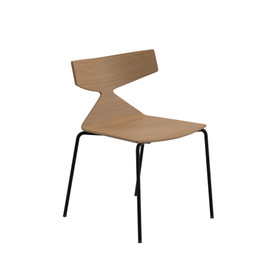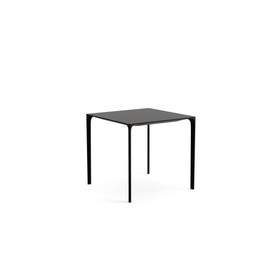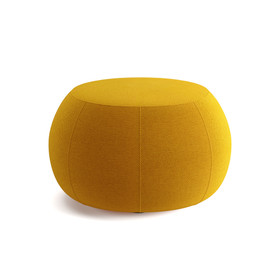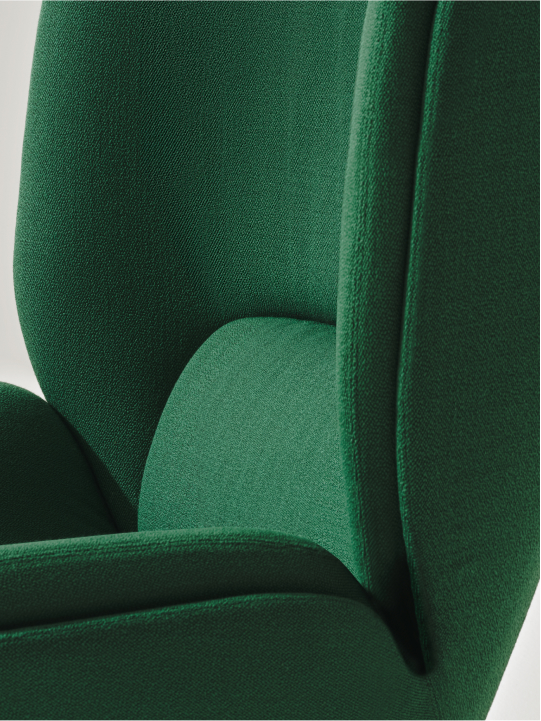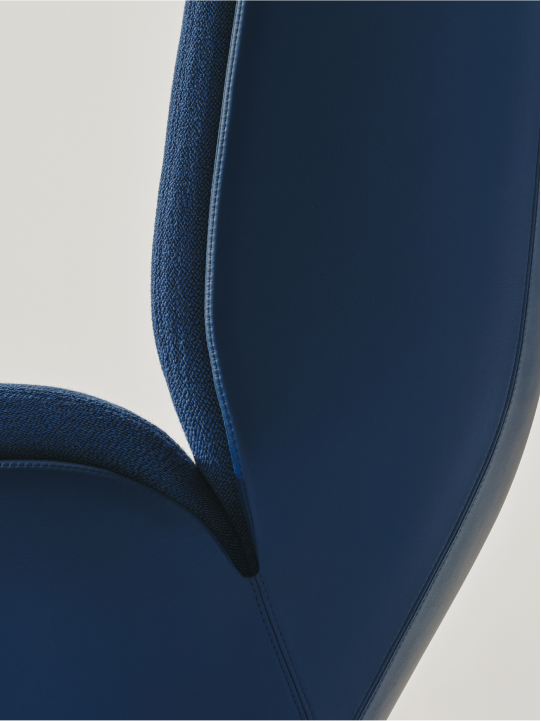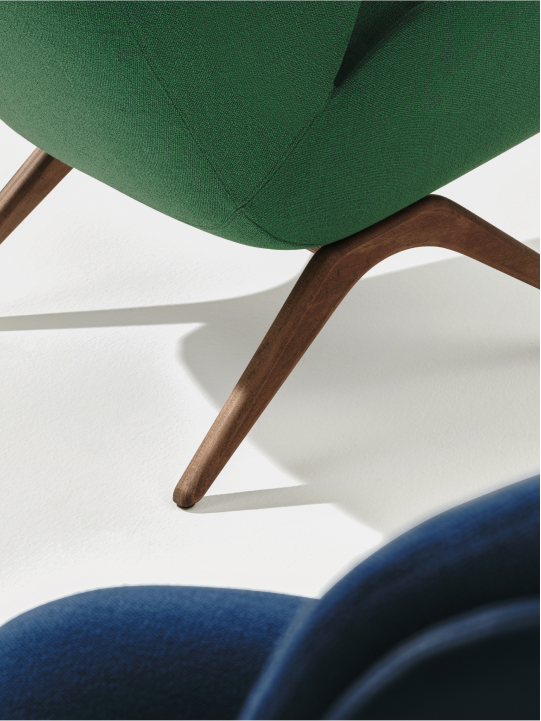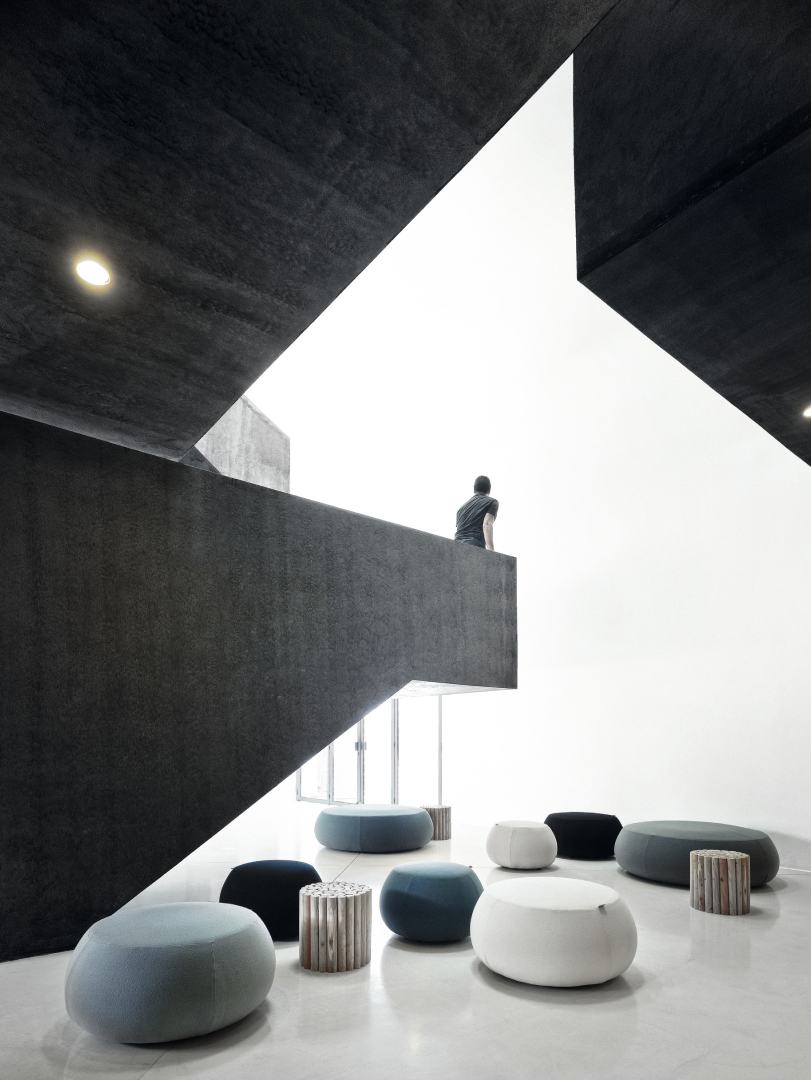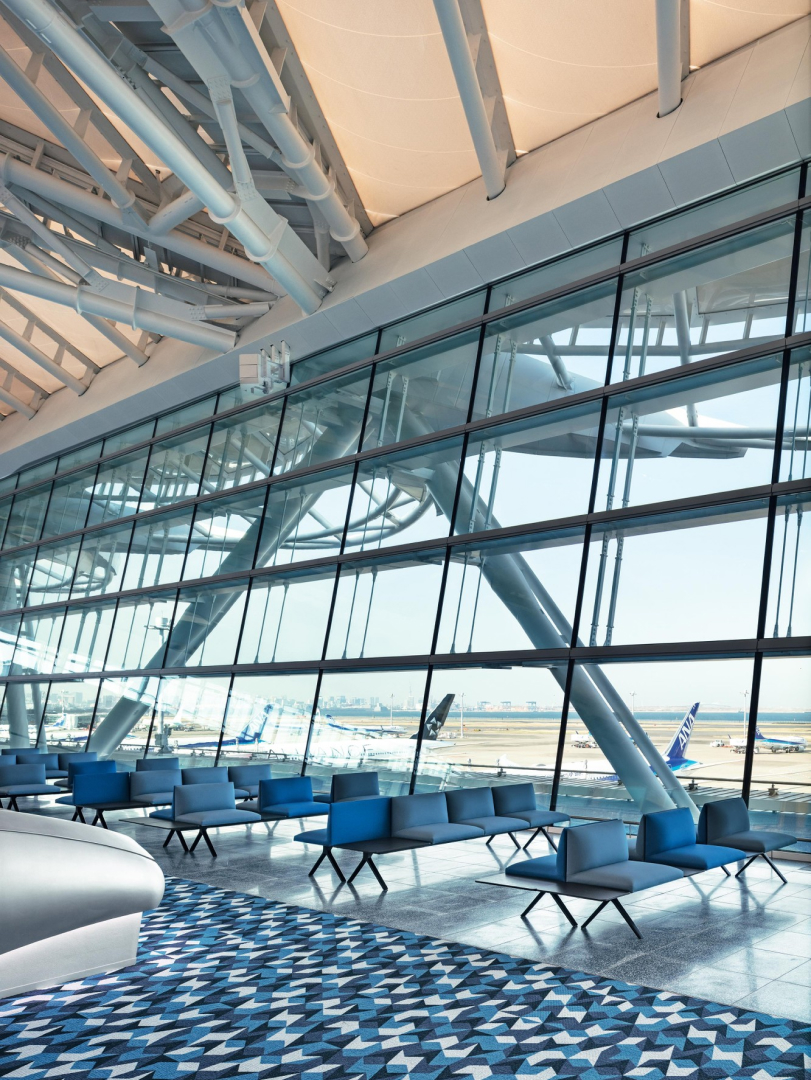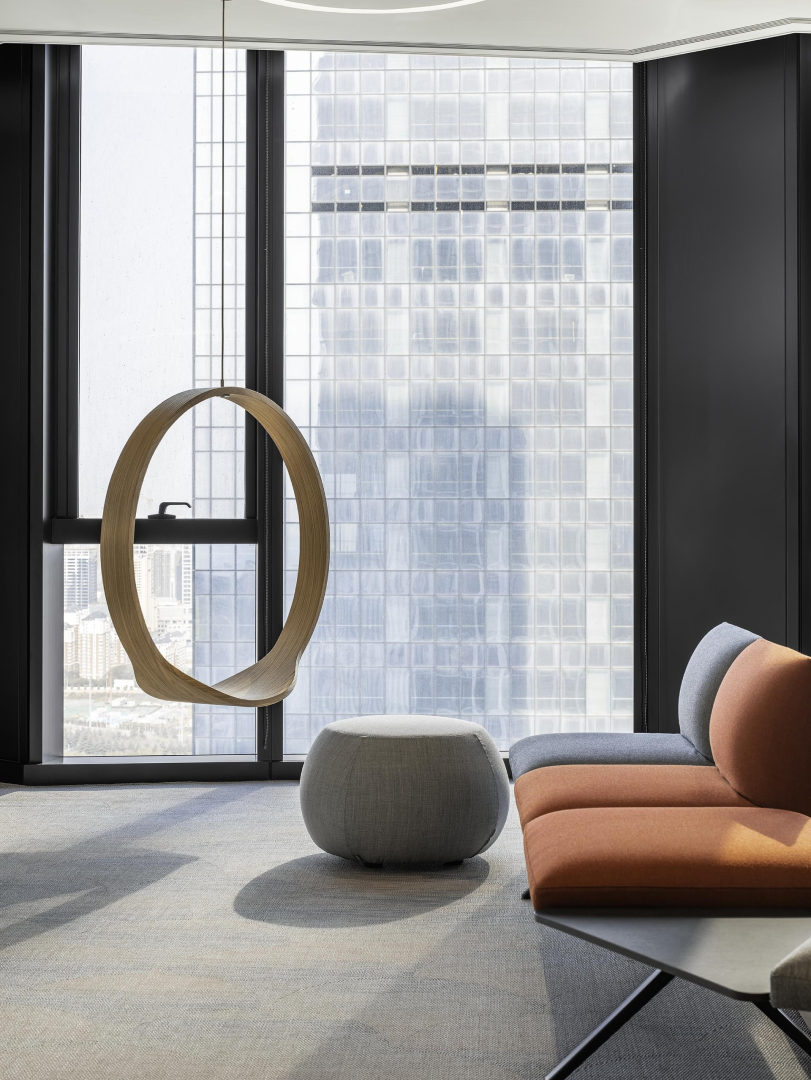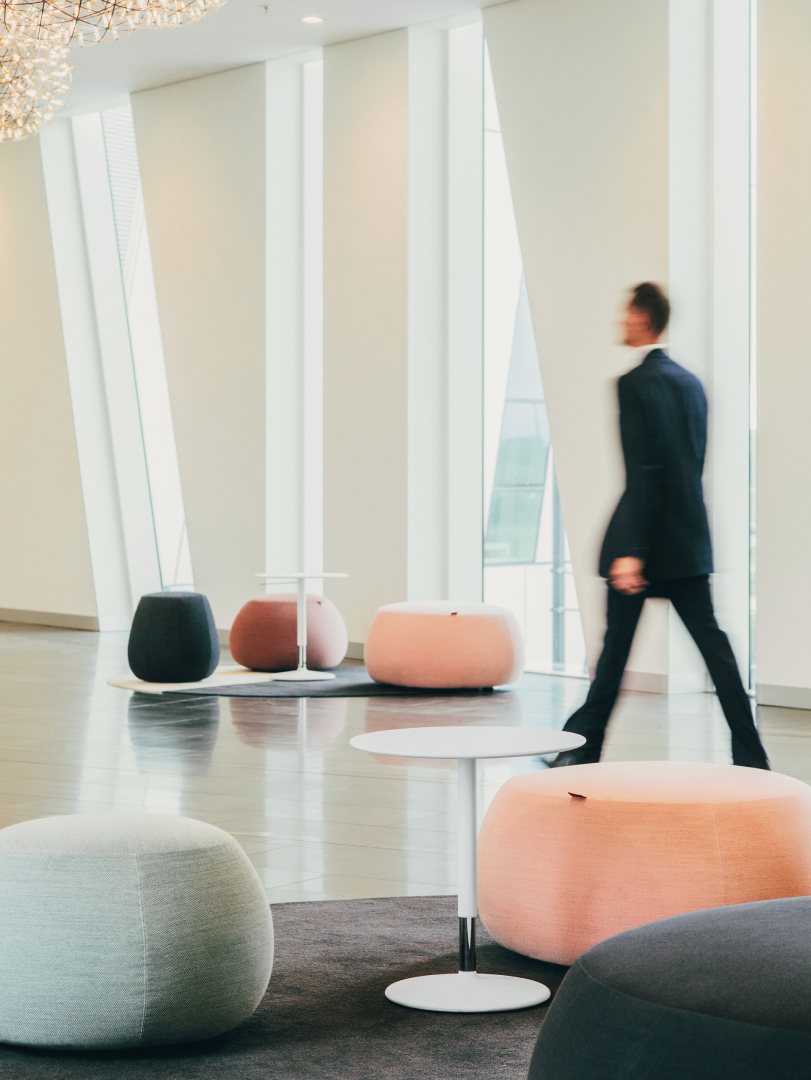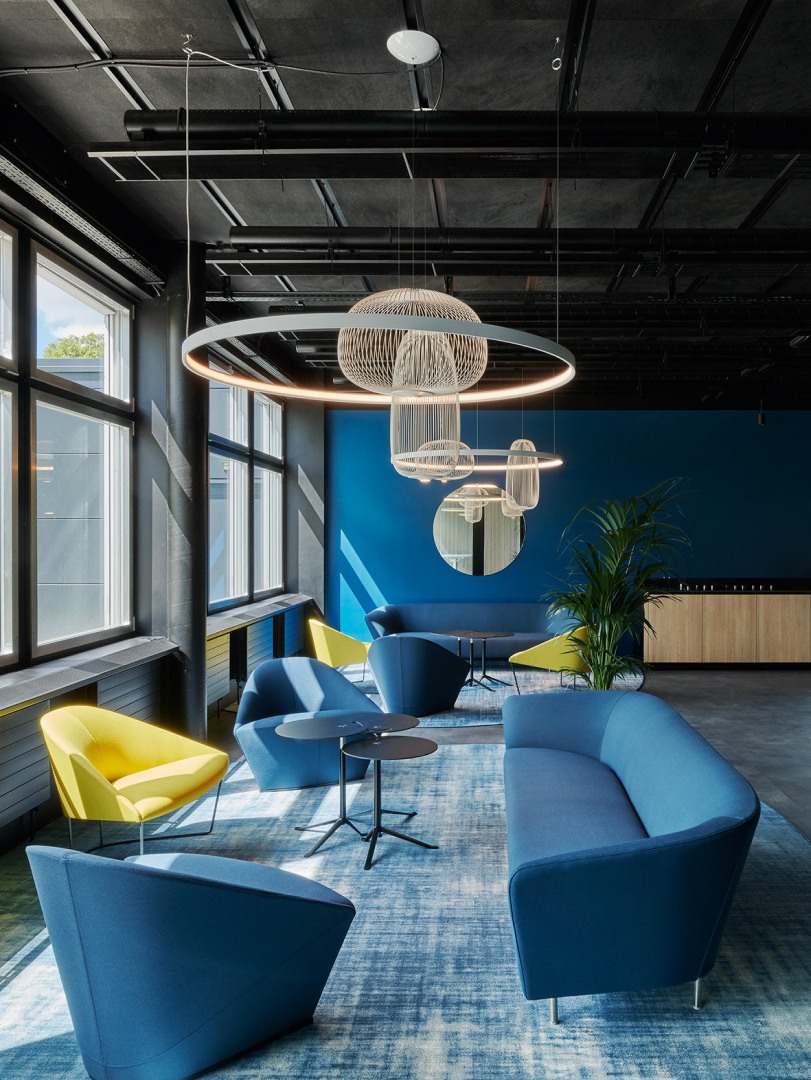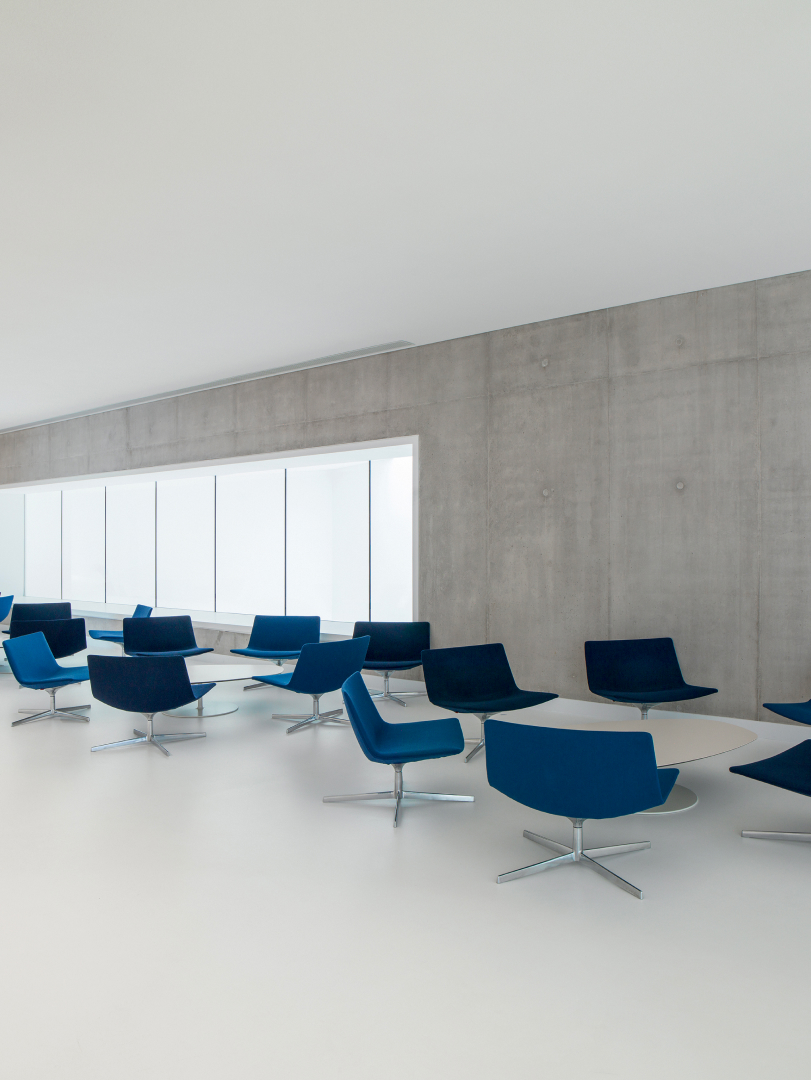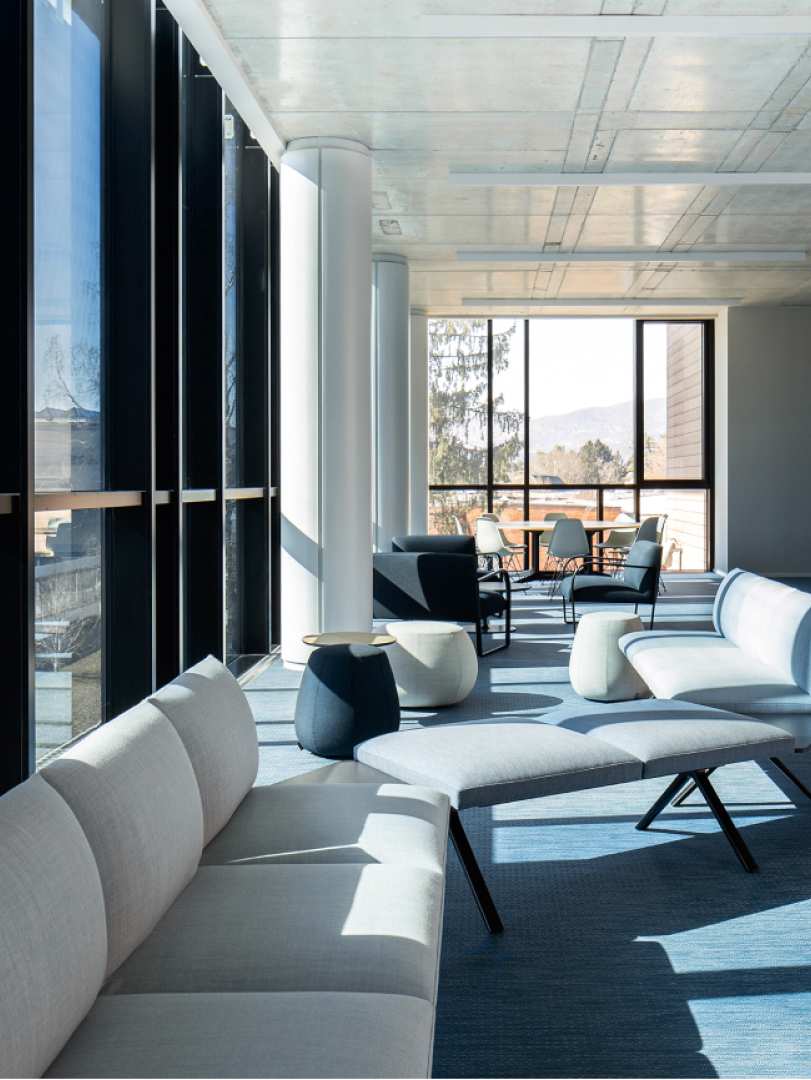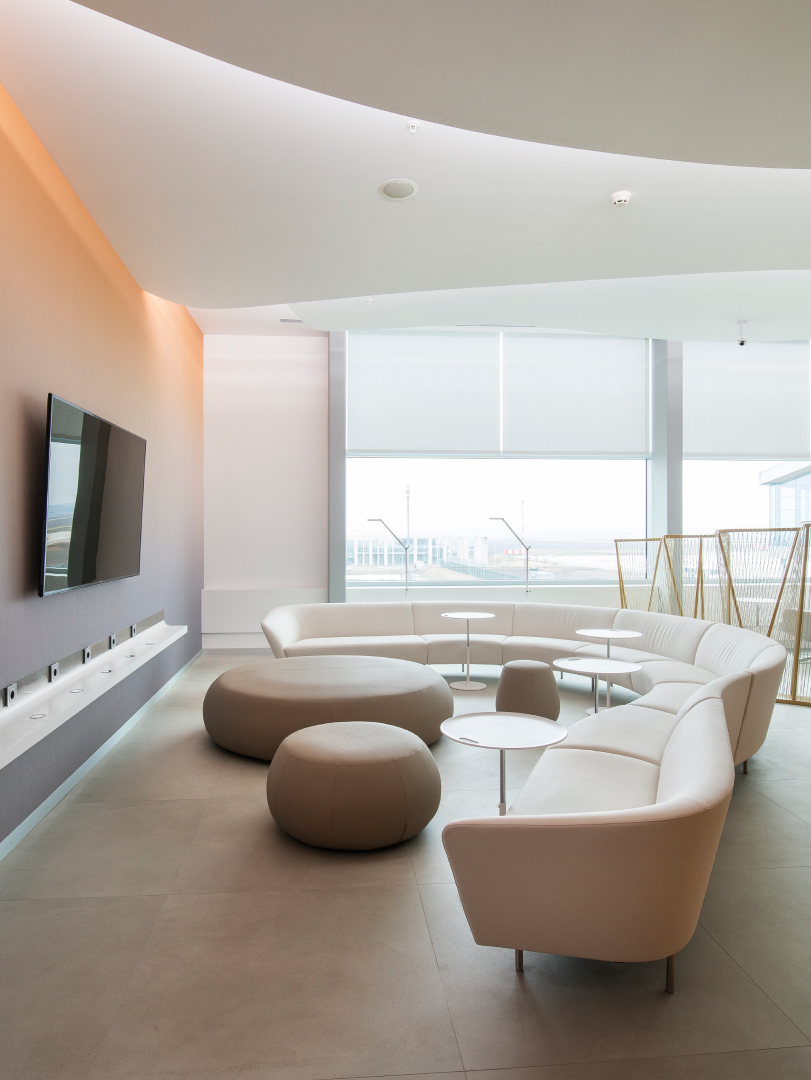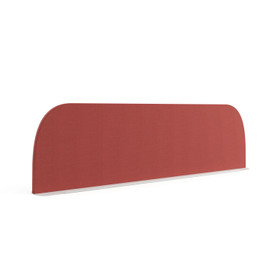


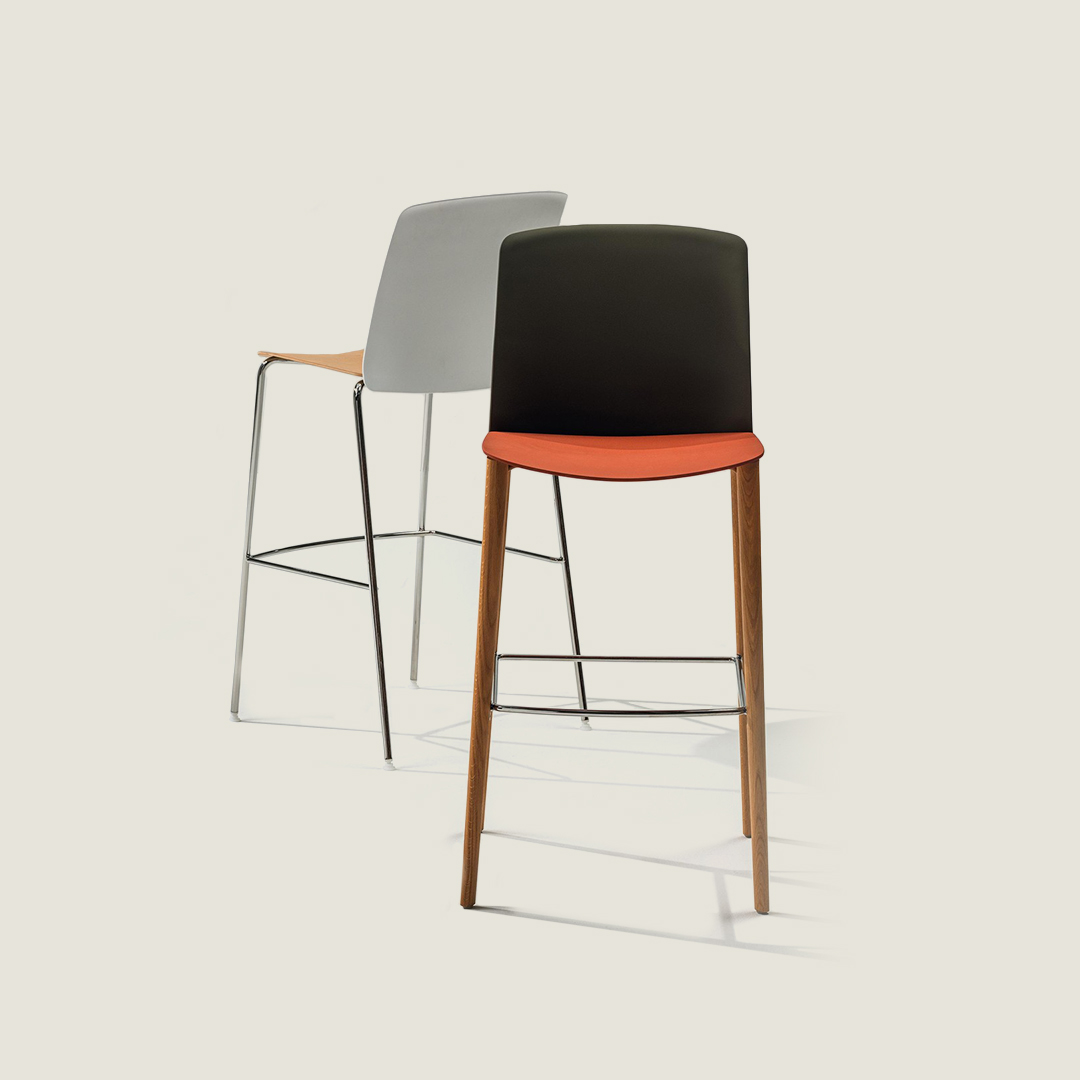
Mixu
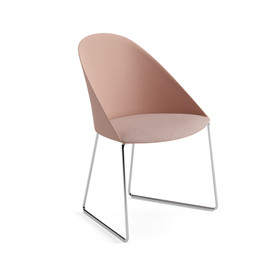
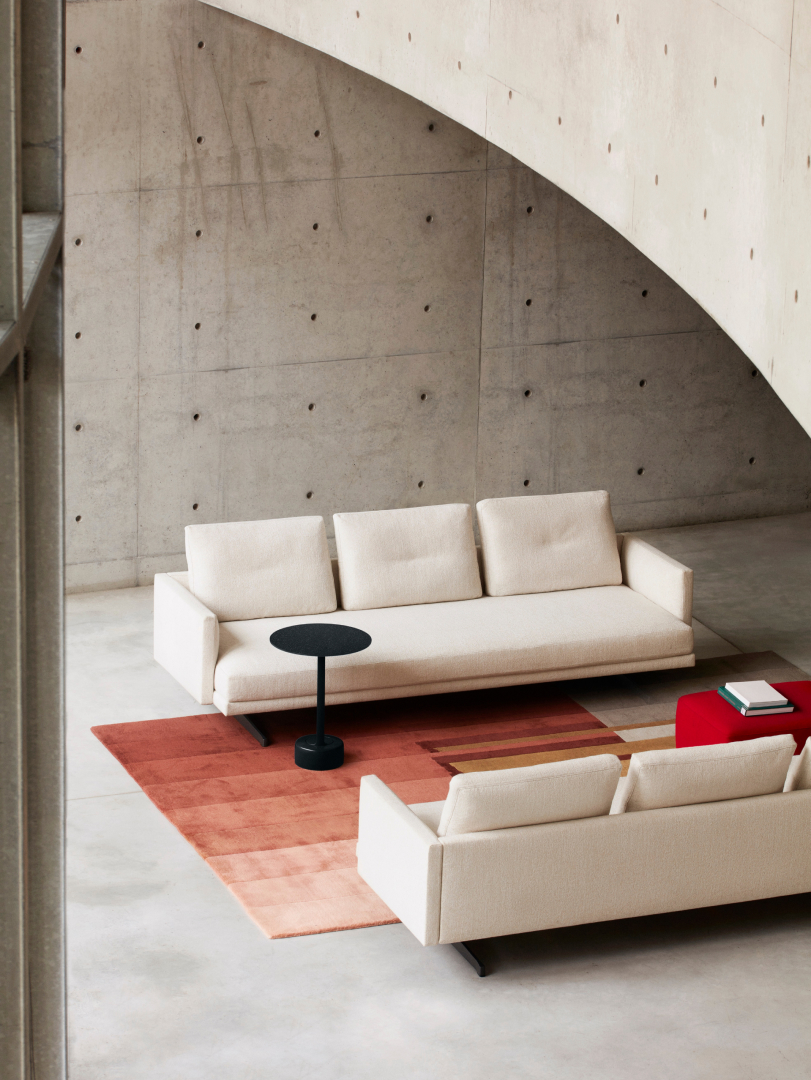
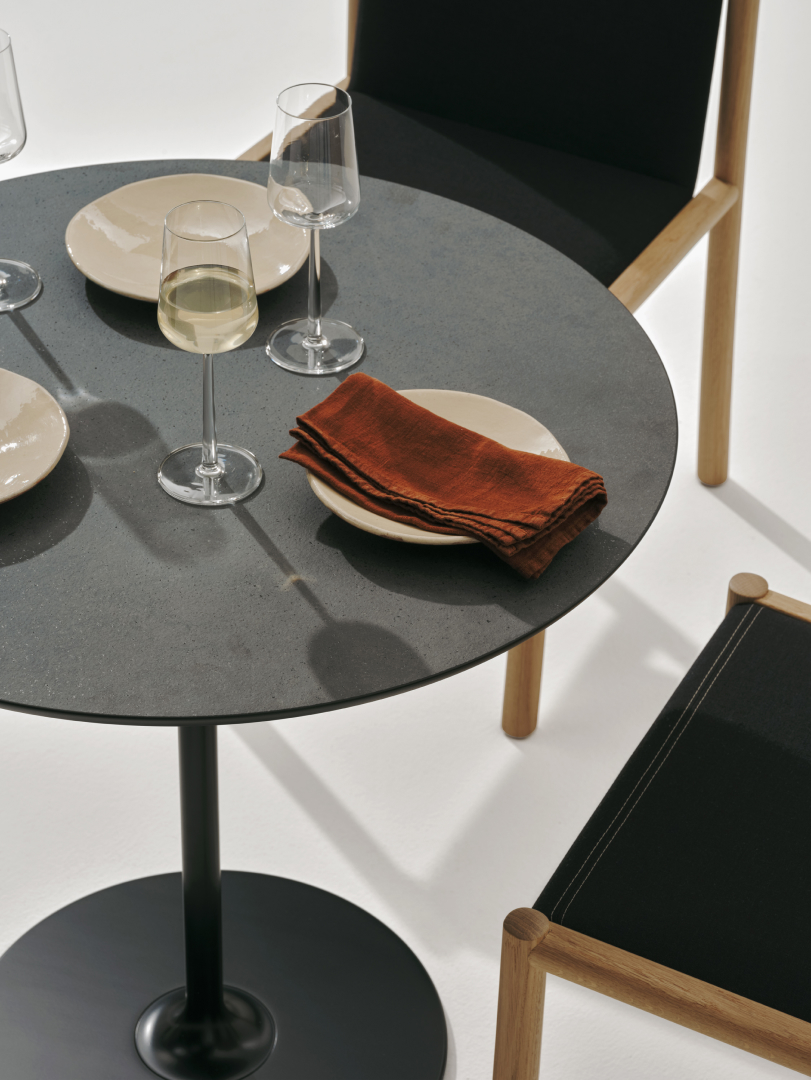
Design in collaboration with Gensler, 2021
Entdecke mehrPlease note that the new website is still under construction. Should you experience any issues, please email infoweb@arper.com
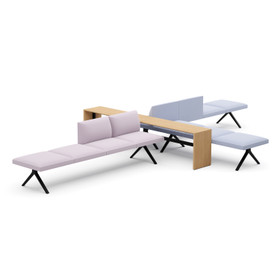
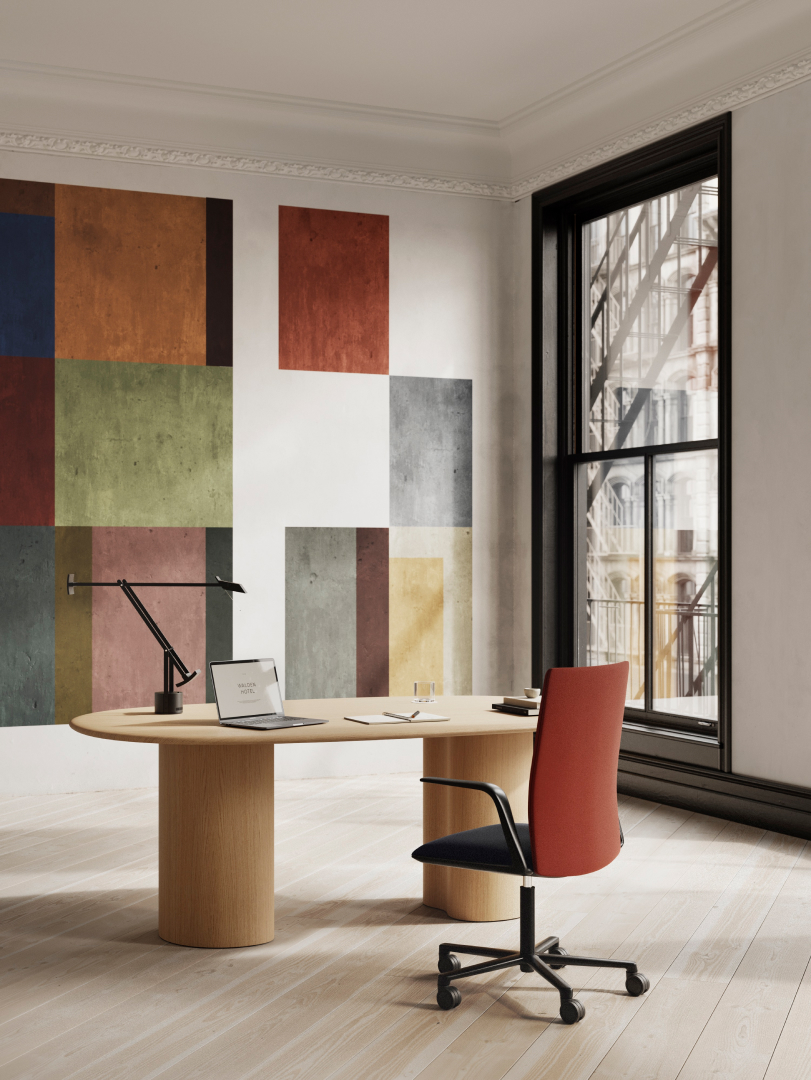
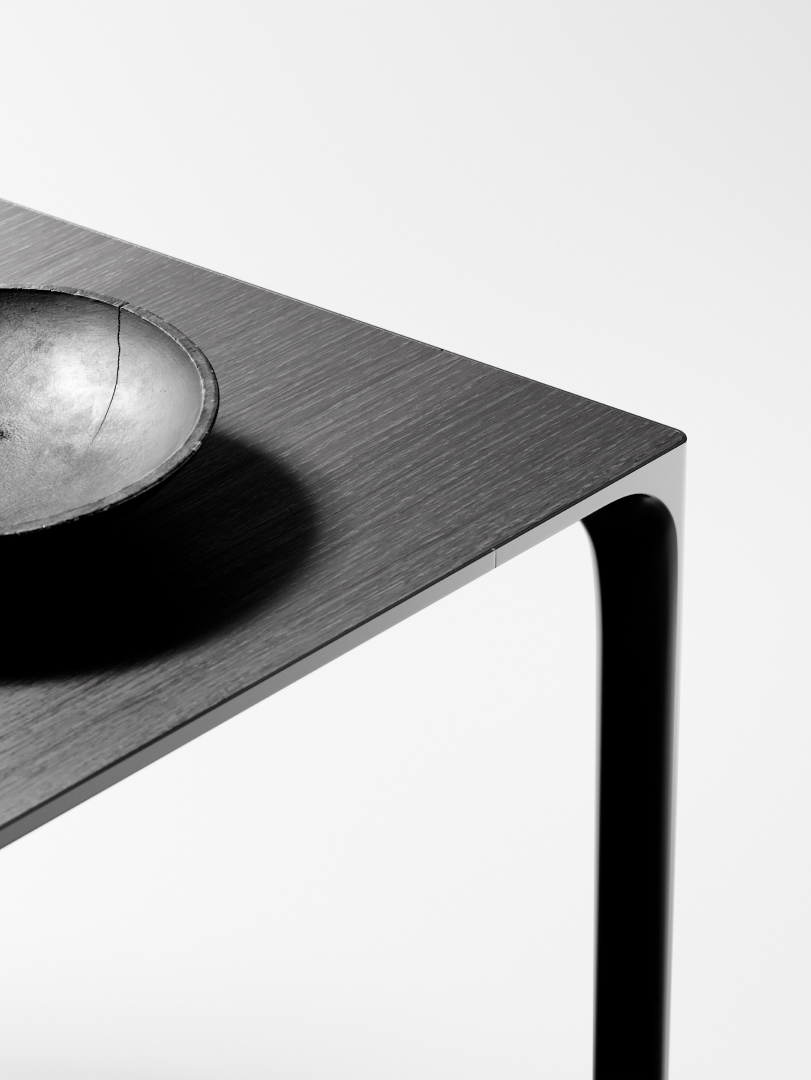
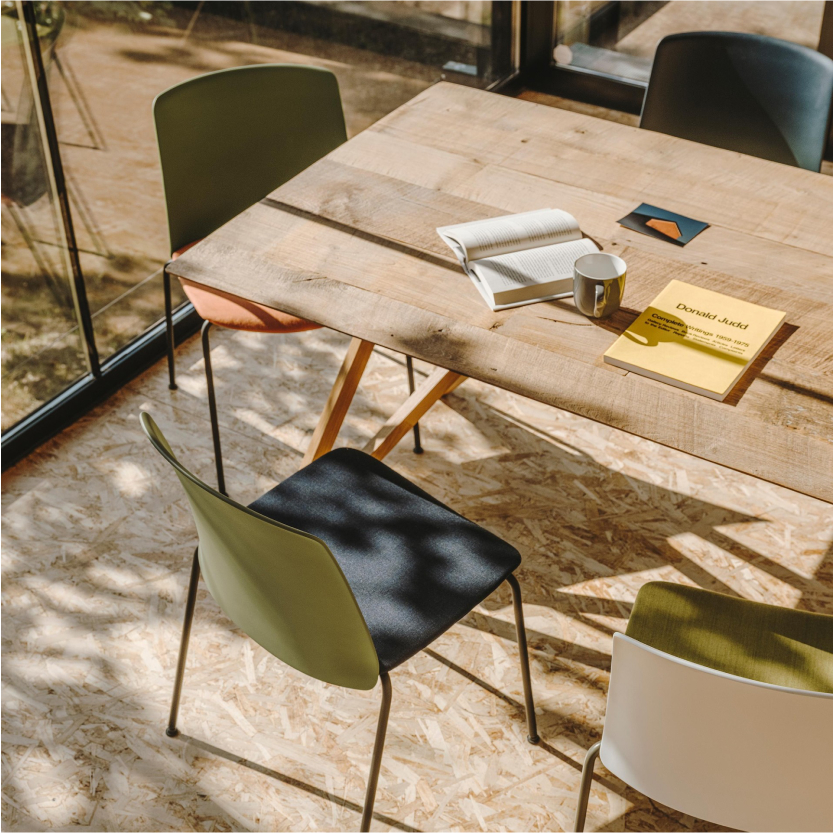
Design in collaboration with Gensler, 2021
Entdecke mehr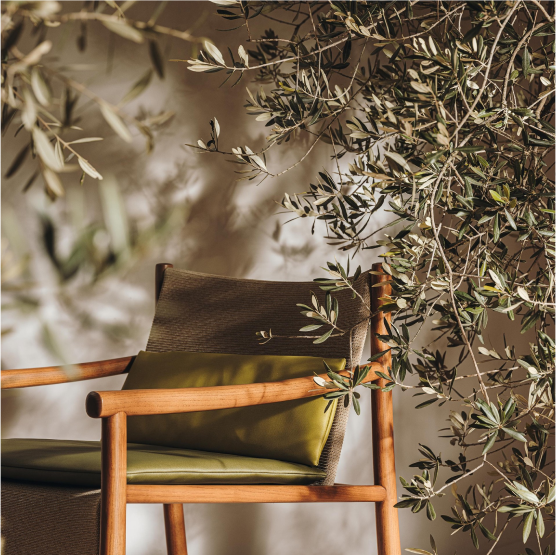
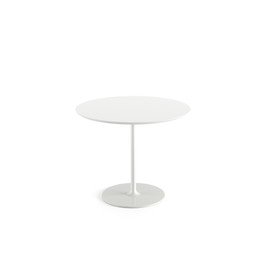
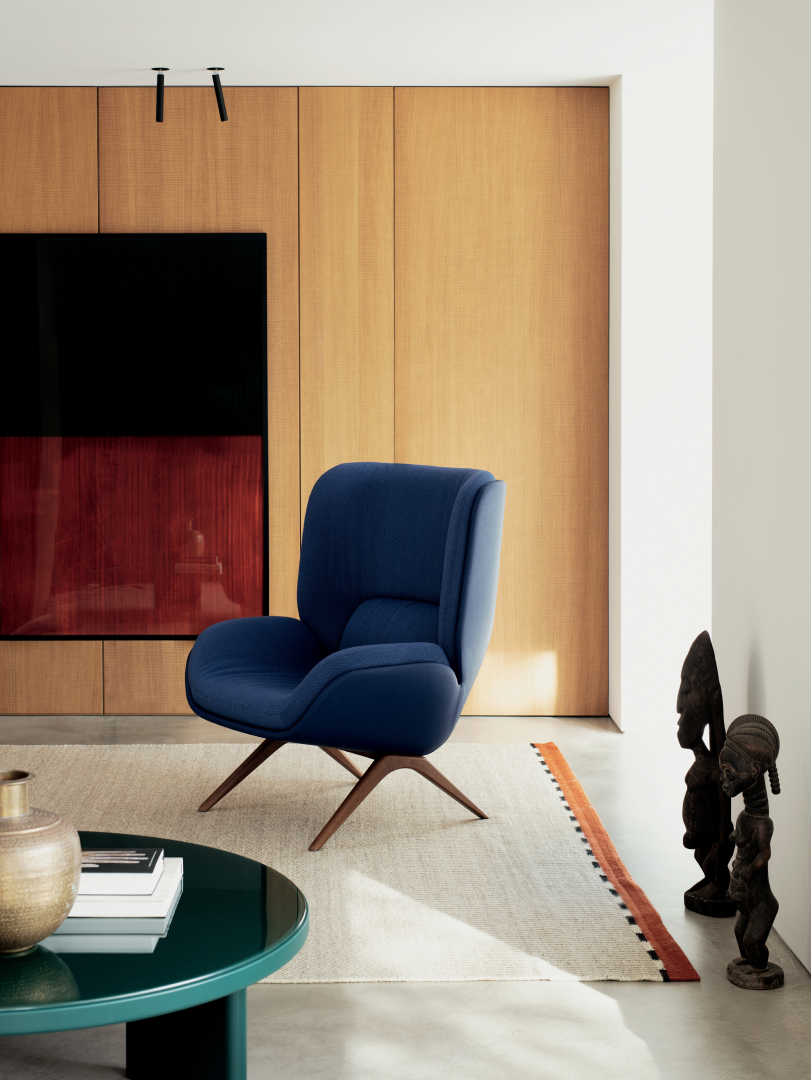
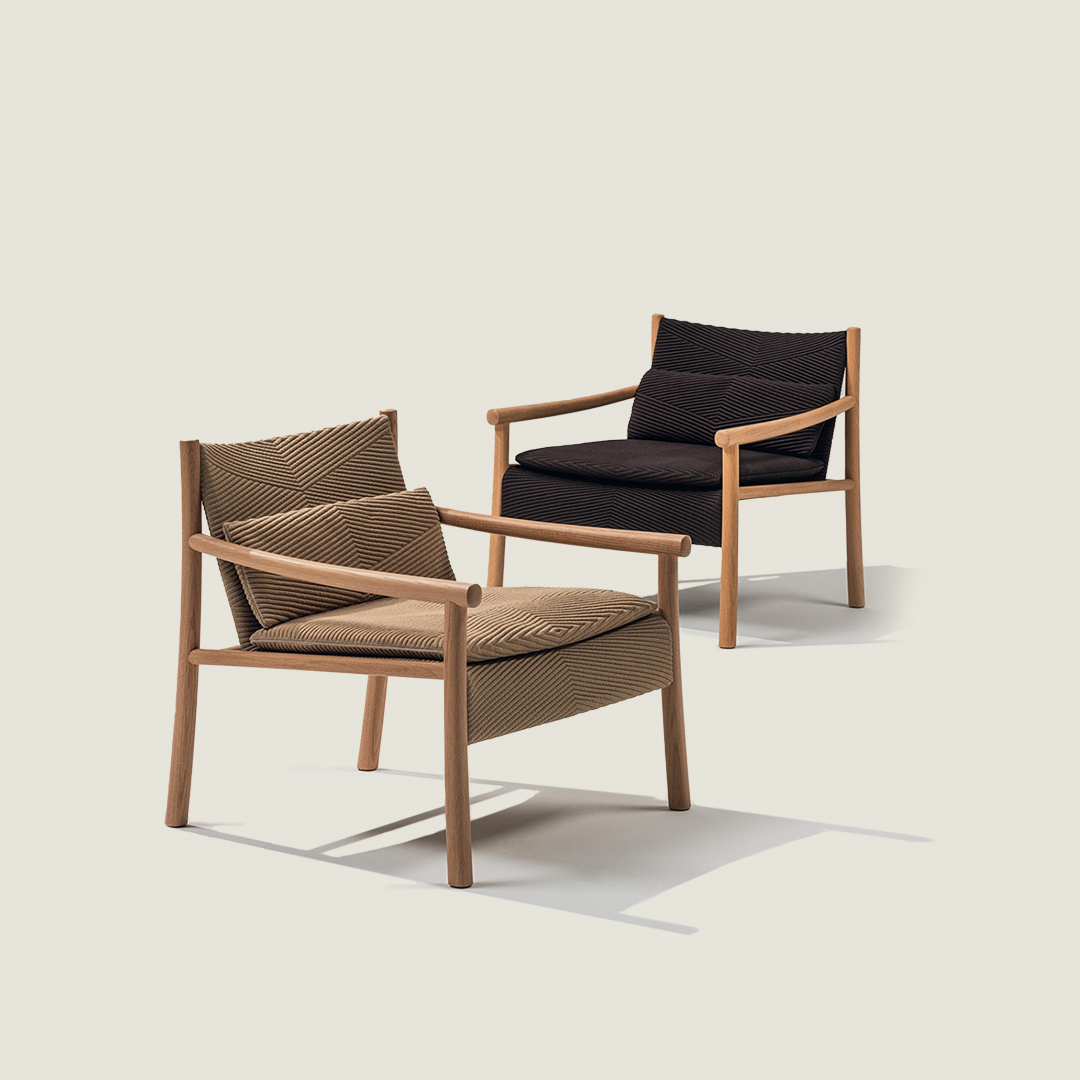
Design by Altherr Désile Park, 2021
Entdecke mehr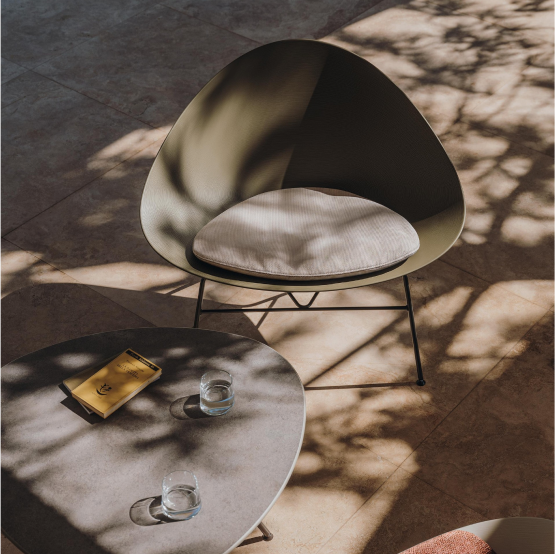
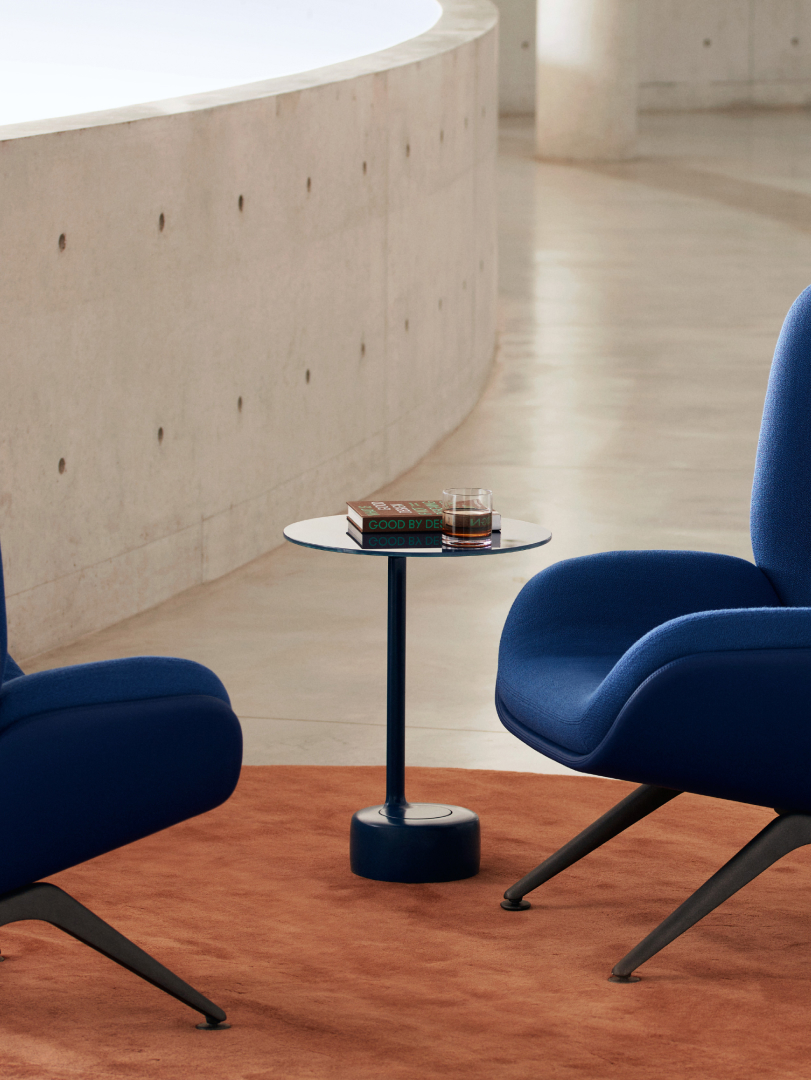
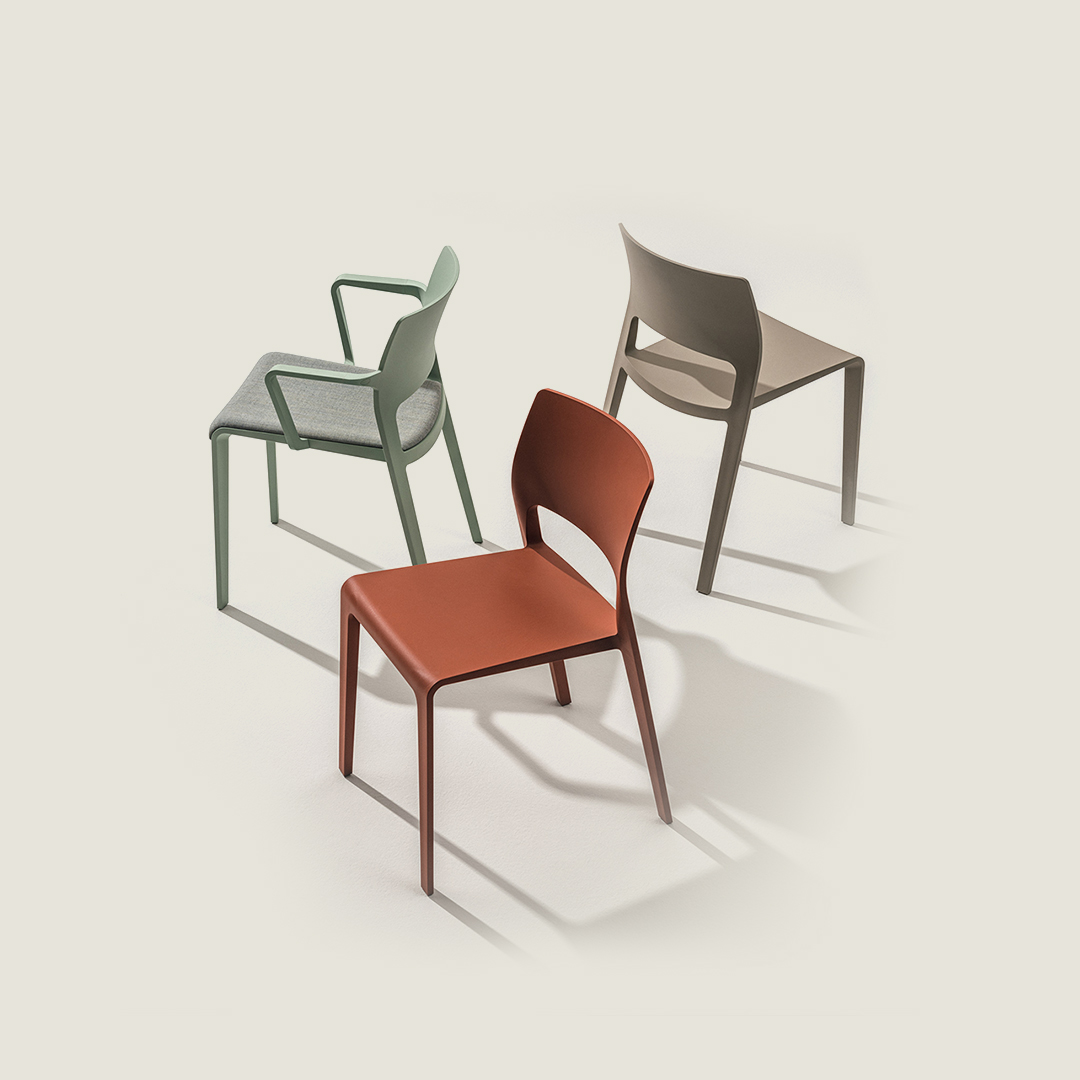
Design by Lievore + Altherr Désile Park, 2020
Entdecke mehr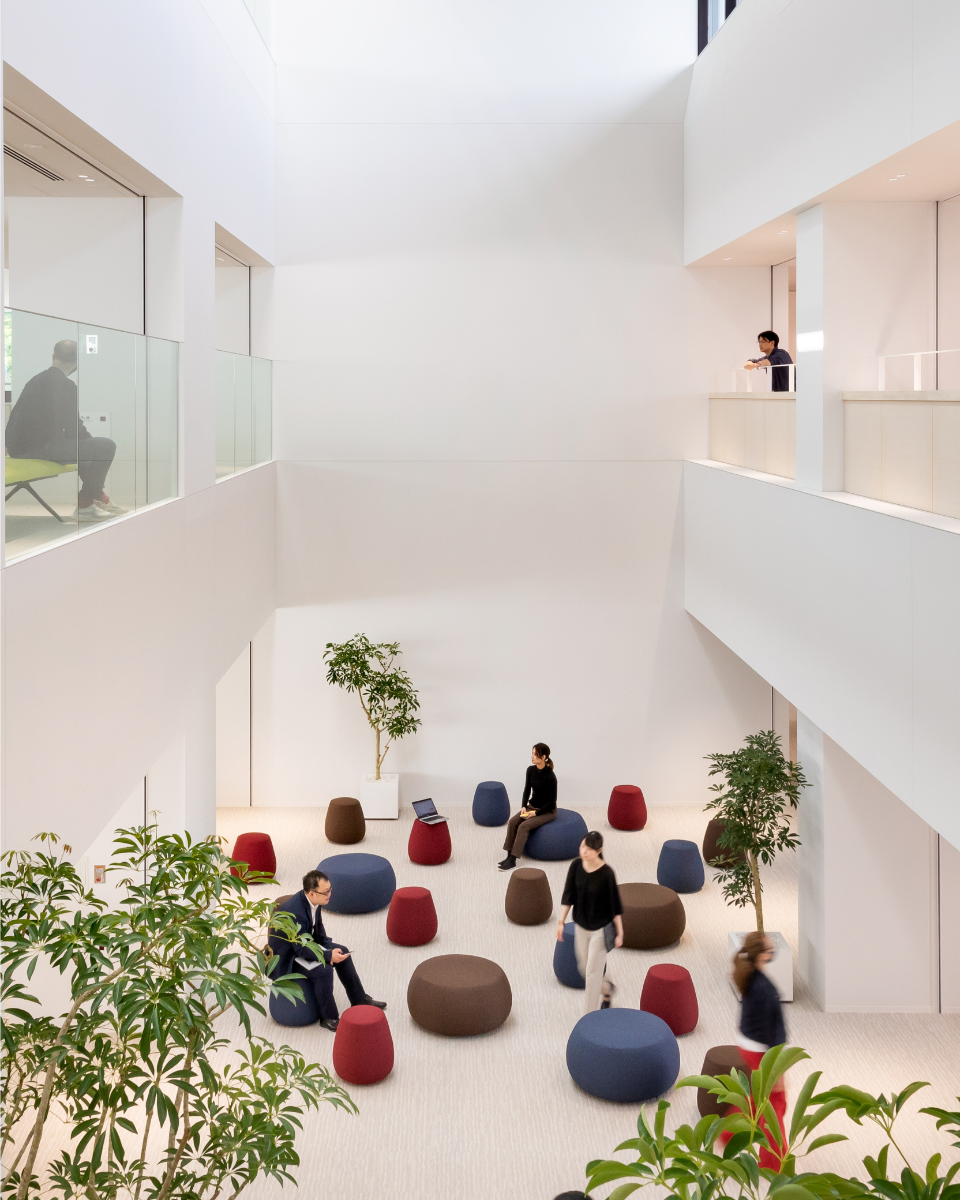
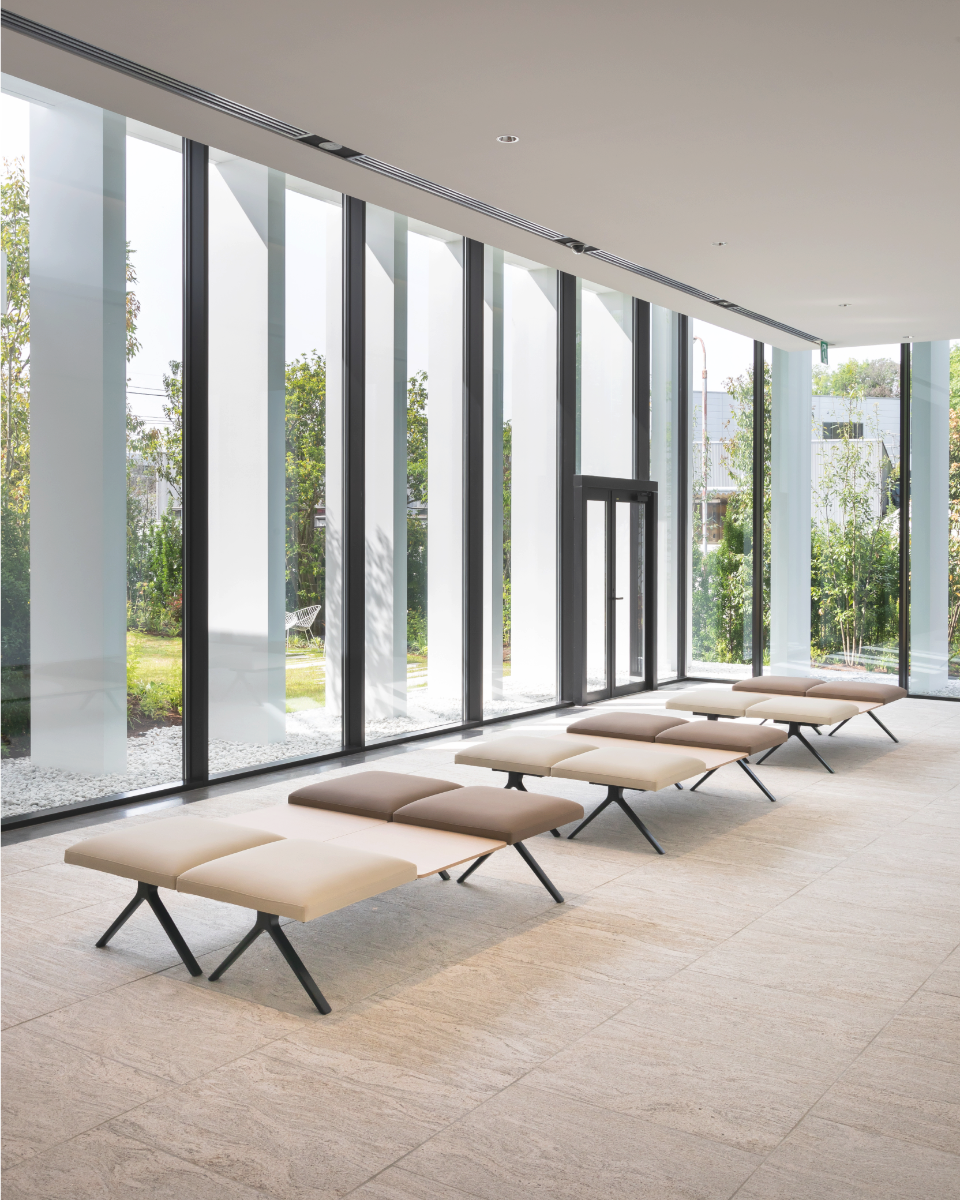
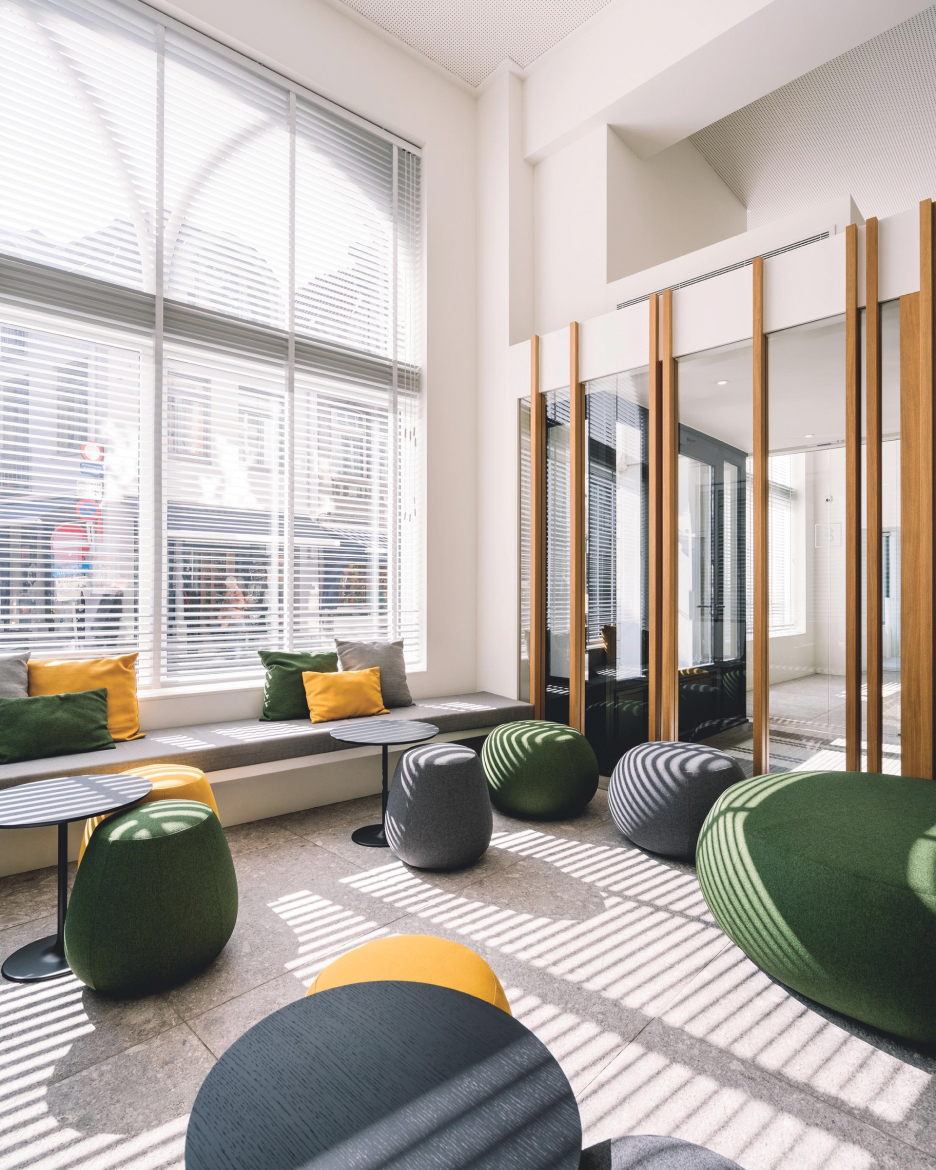
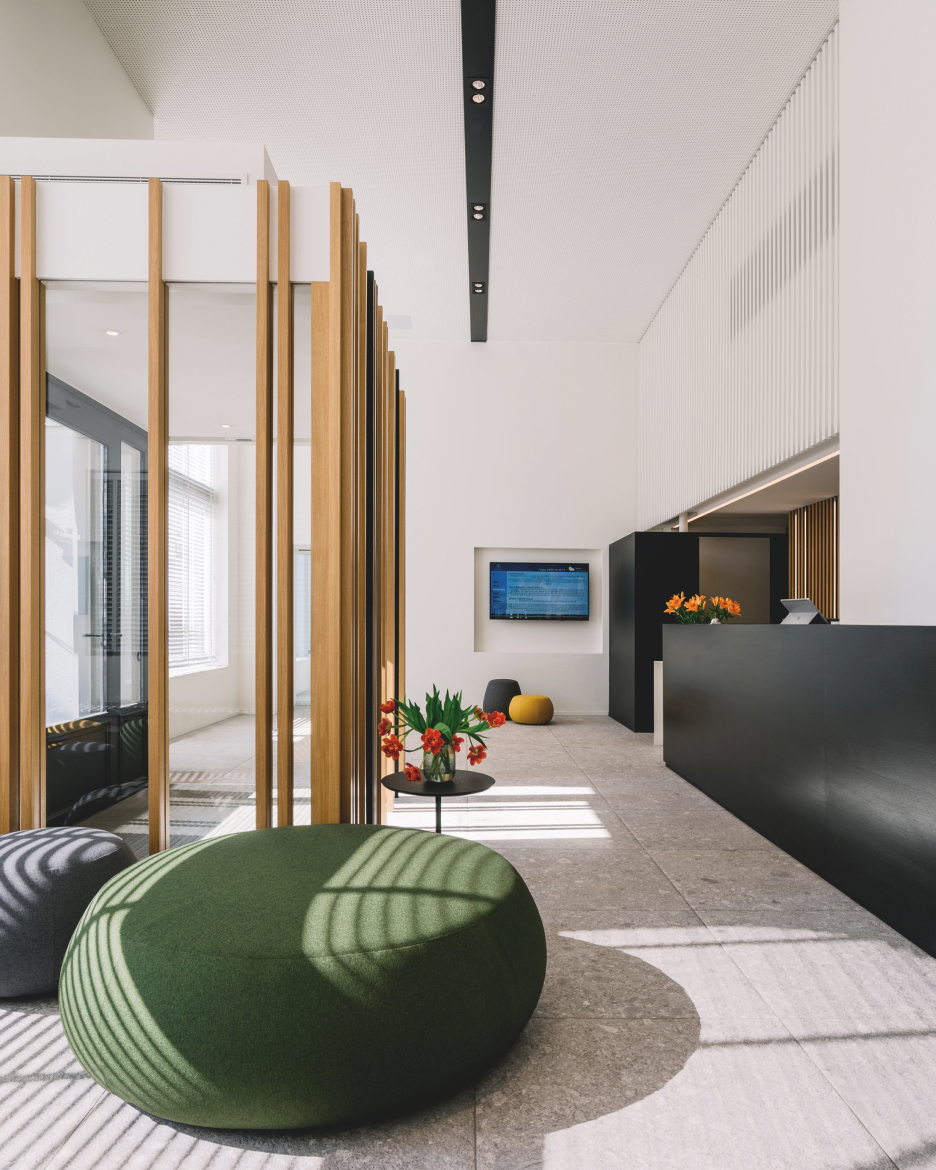
Architektur und Natur im Dialog am neuen Hauptsitz von Sigma
Ein lebendiges berufliches Umfeld, das in engem Dialog mit der natürlichen Umgebung steht und durch die fließende Interaktion zwischen den Kollegen dynamisch gestaltet wird: Das war die Vision, die das Studio Kajima Design bei der Gestaltung des neuen Hauptsitzes von Sigma, einem führenden japanischen Unternehmen im Bereich der fotografischen Optik, inspirierte.
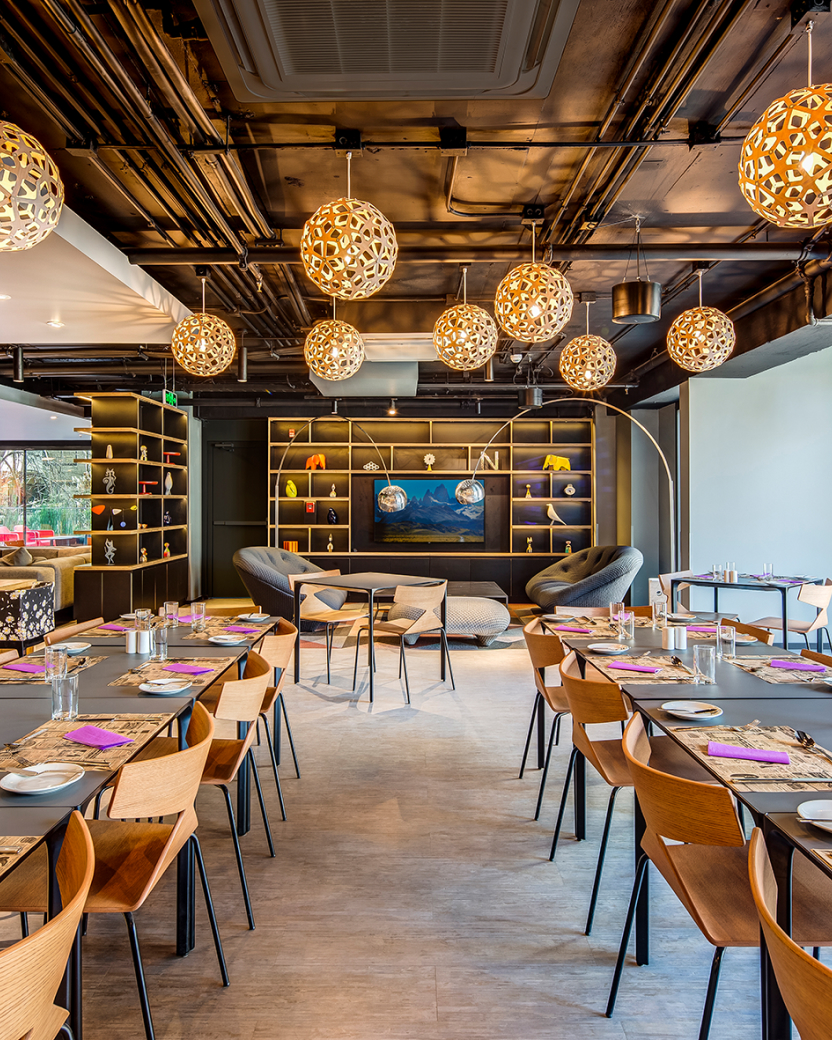
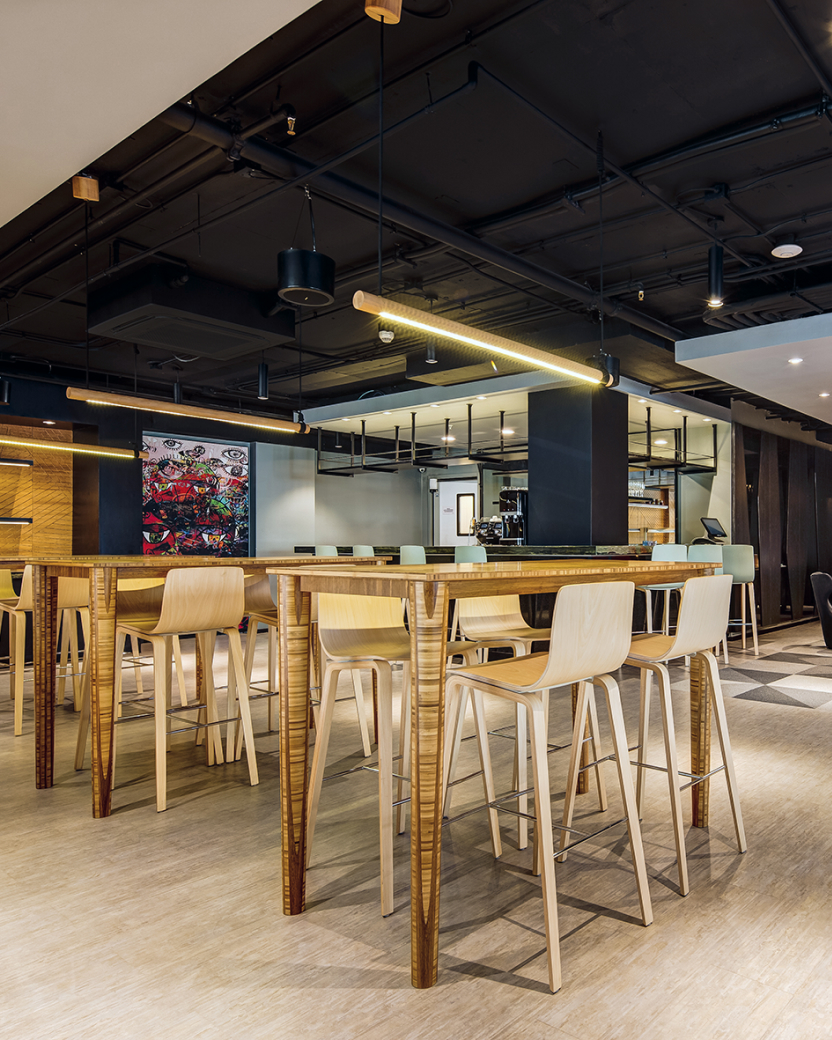
Fliessende, Stressfreie Verbindungen
Wir haben Arper aufgrund des Designs seiner Möbel gewählt. Das Unternehmen und sein Ansatz in Bezug auf Einrichtung und Nachhaltigkeit spiegeln genau das wider, was wir zum Ausdruck bringen wollten. — Pablo Redondo
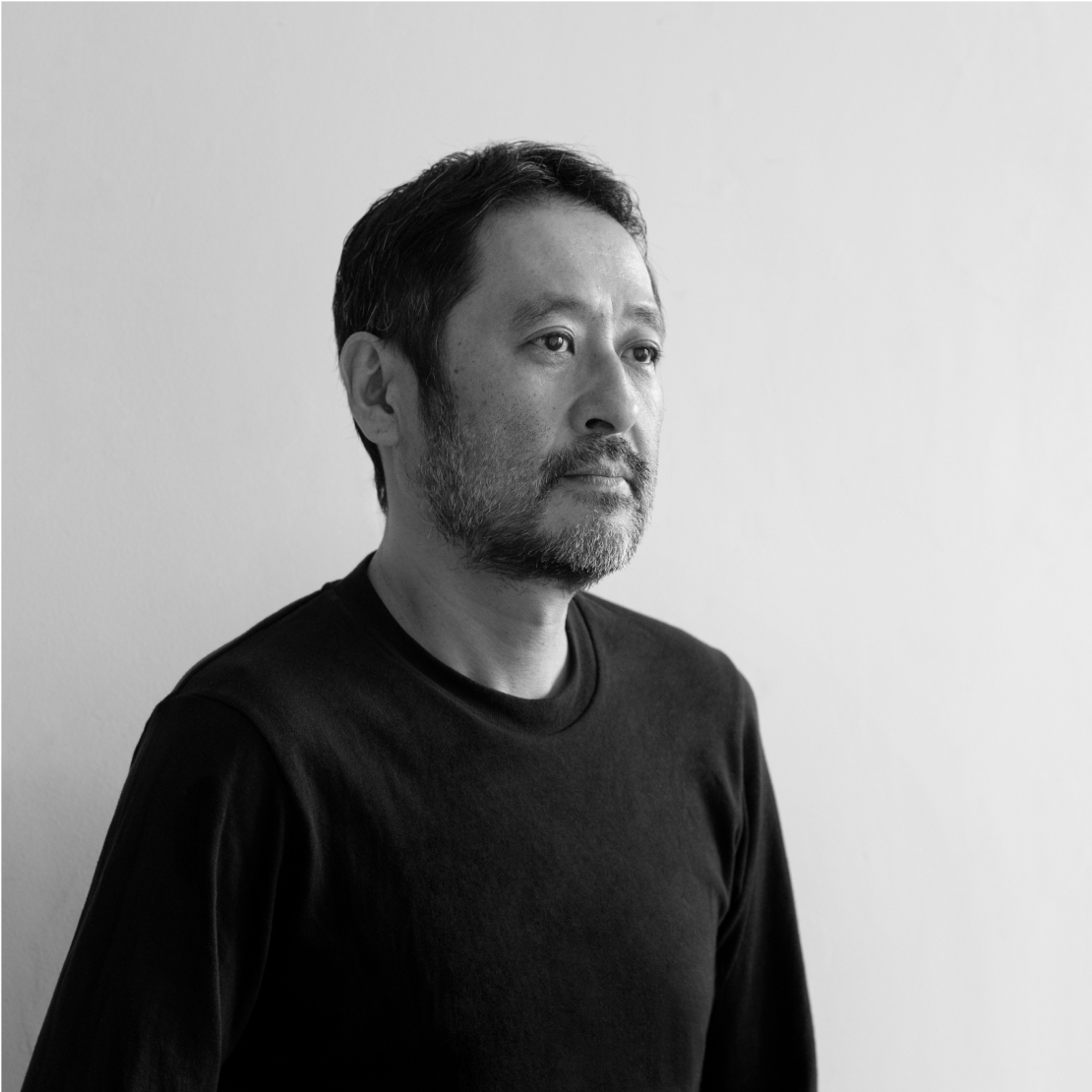
Ichiro Iwasaki lebt und arbeitet in seiner Heimatstadt Tokio und verfügt zudem über einen italienischen Designhintergrund.
Entdecke mehr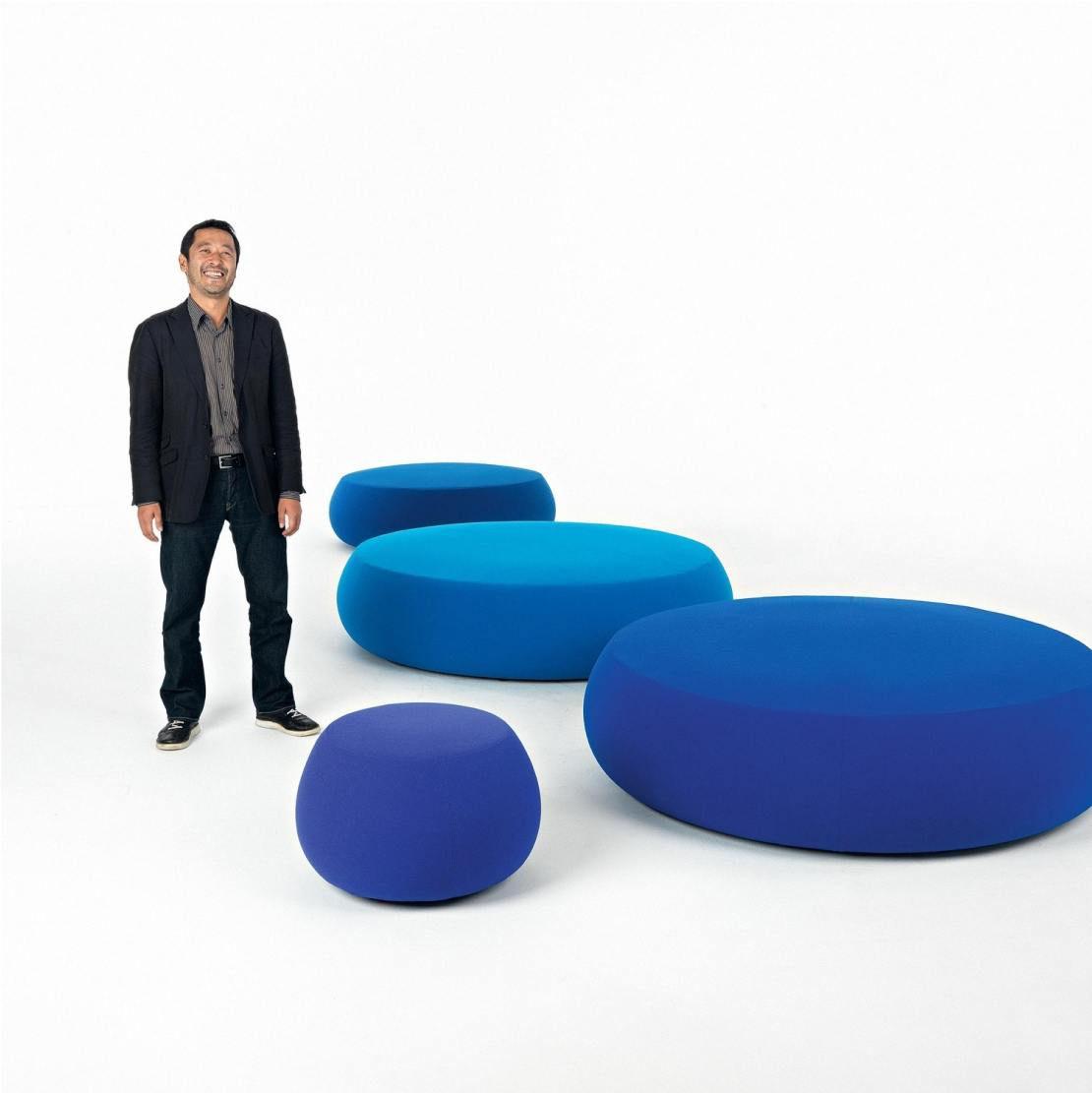
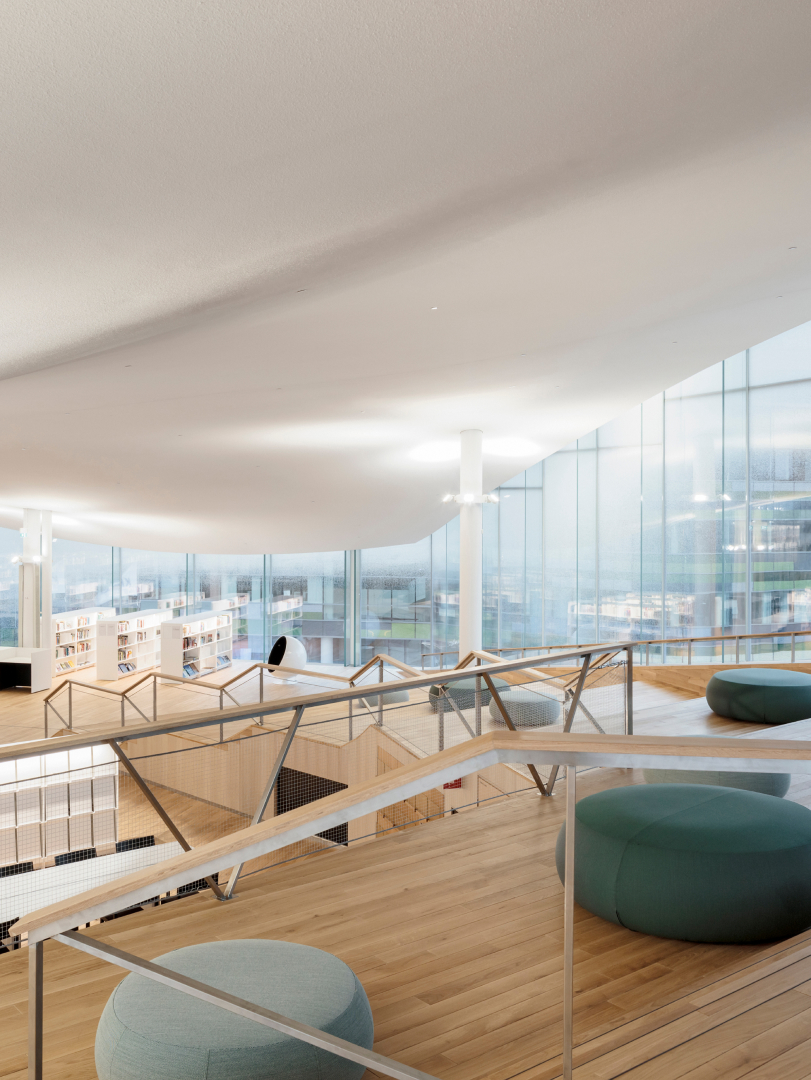
In der Zusammenarbeit mit Arper interpretiert der Tokioter Designer Ichiro Iwasaki Philosophie und Designkonzepte Unternehmens und entwirft eine Familie von Ottomanen namens Pix.
Entdecke mehr
Die Idee zu Kiik kam mir beim Blick auf öffentliche Räume wie Parks, Museen oder Flughäfen – Orte wo viel Bewegung herrscht.
Entdecke mehr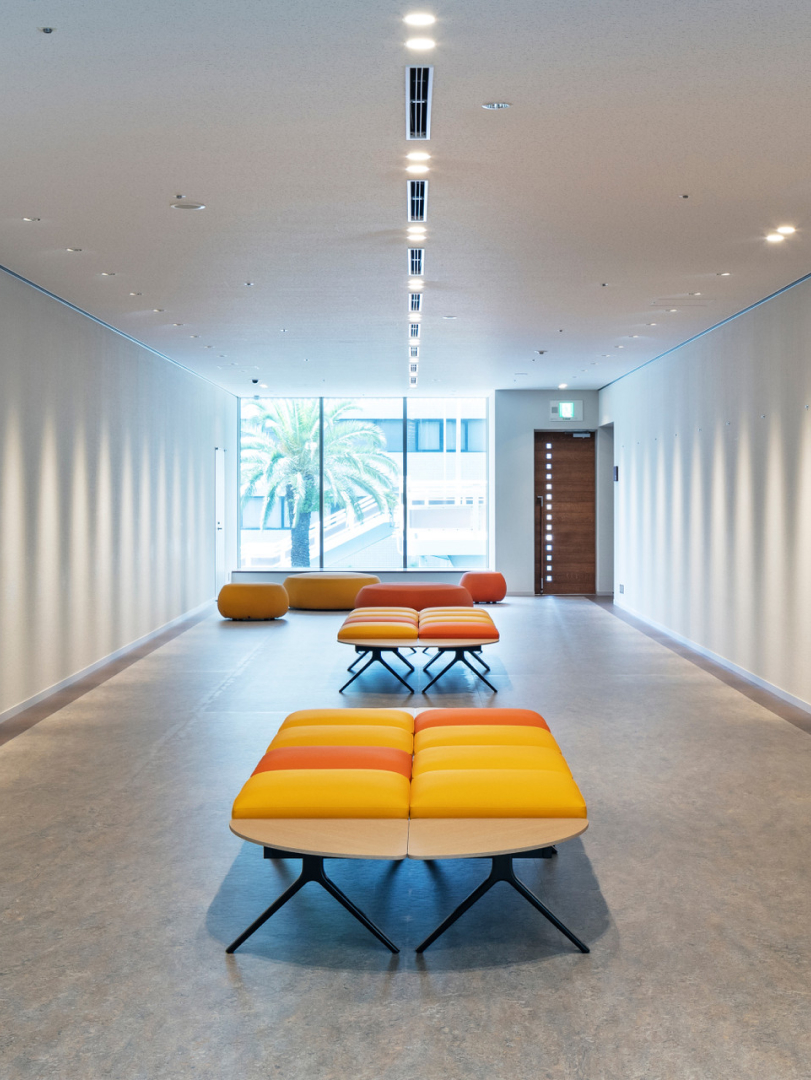
https://www.arper.com/de_DE/blog/fenice-sakay.html
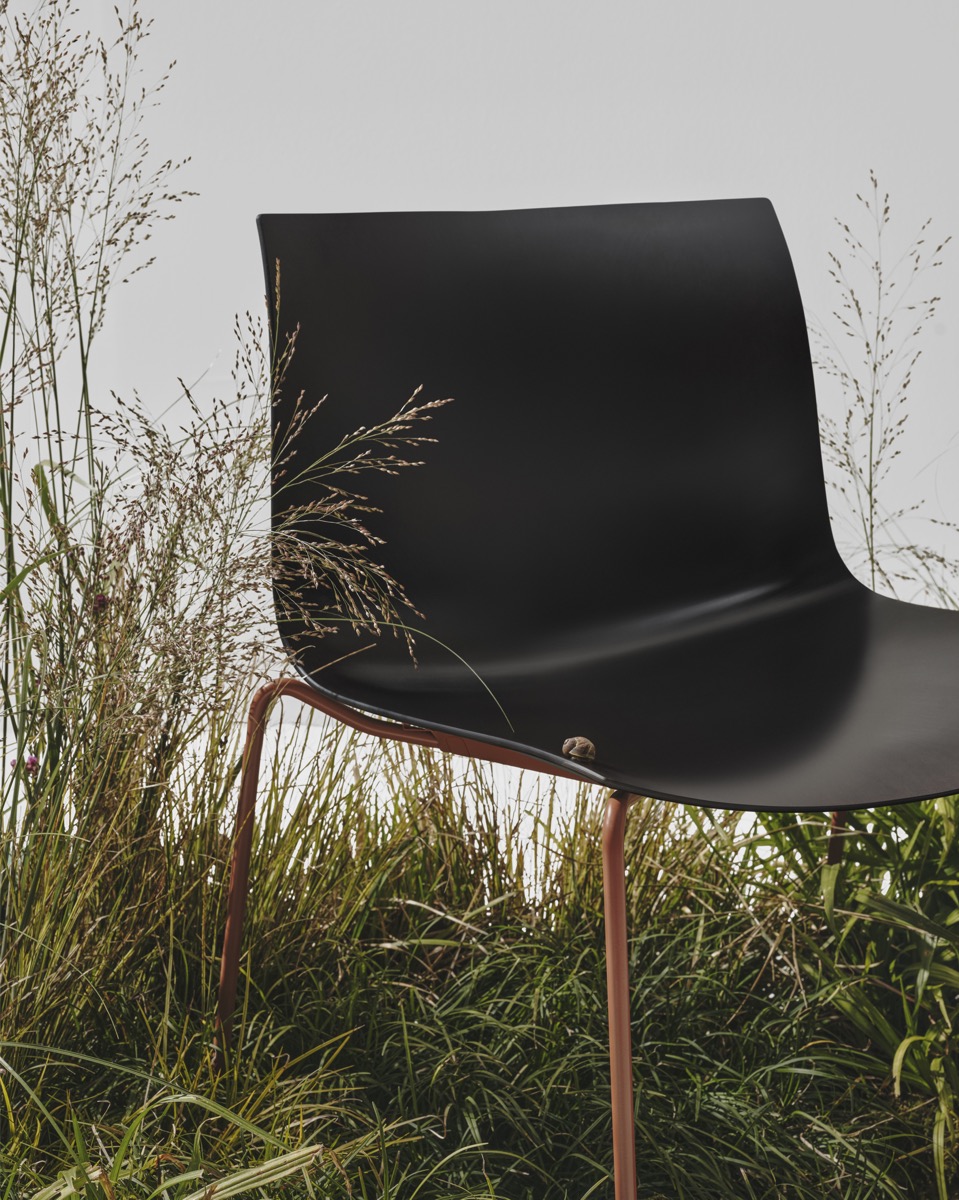

Catifa Carta's shell is crafted entirely from PaperShell, a groundbreaking material derived from paper. Comprising 29 sheets of paper bonded with a natural resin binder, Catifa Carta significantly reduces the chair's environmental footprint by sequestering carbon dioxide.
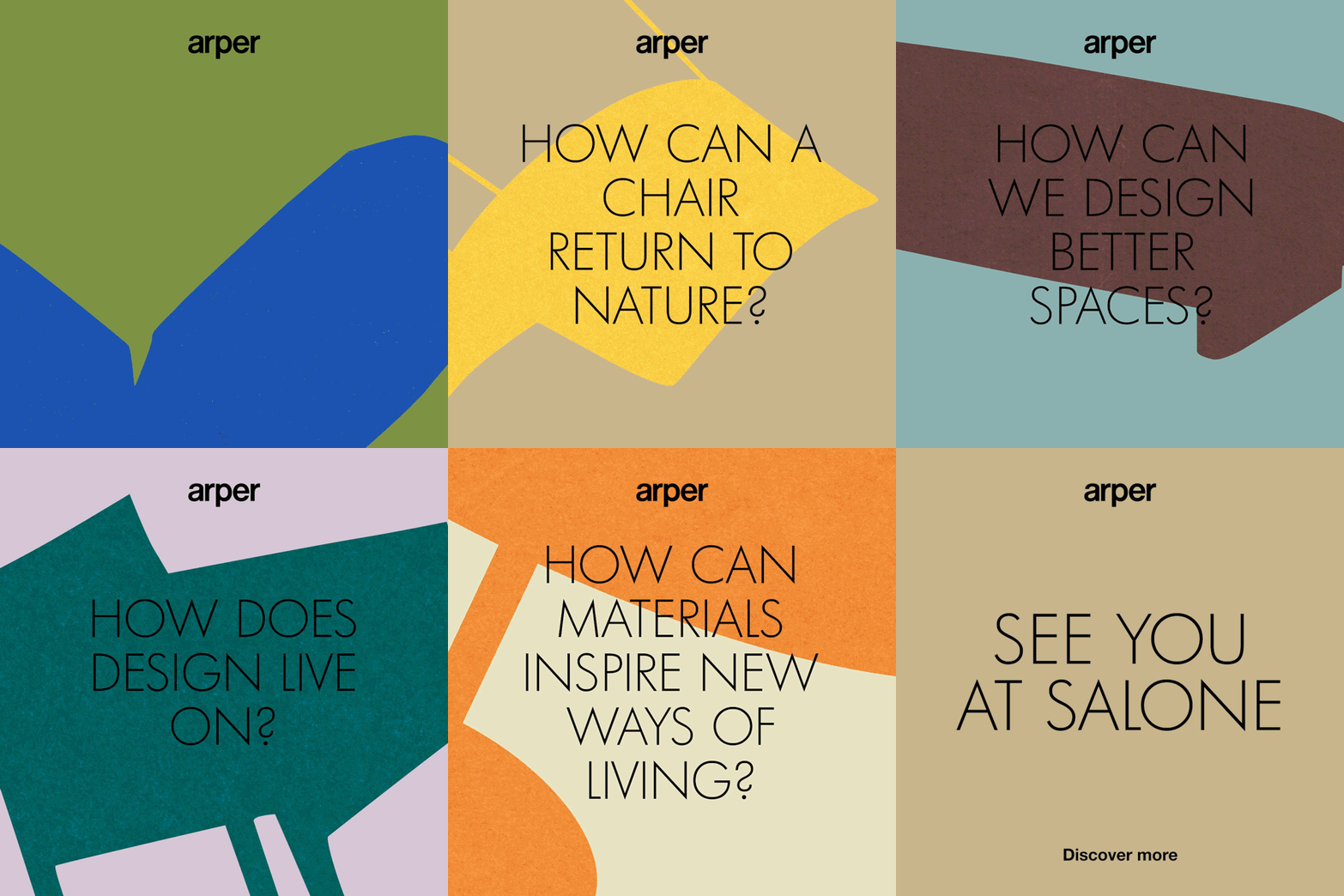
Wie wollen wir heute leben? Verantwortungsvoller. Ausdrucksstärker. Vernetzter. Die Welt ist in ständigem Wandel, und die Lösungen, die uns heute dienen, sind vielleicht nicht die, die wir morgen brauchen.
Discover more
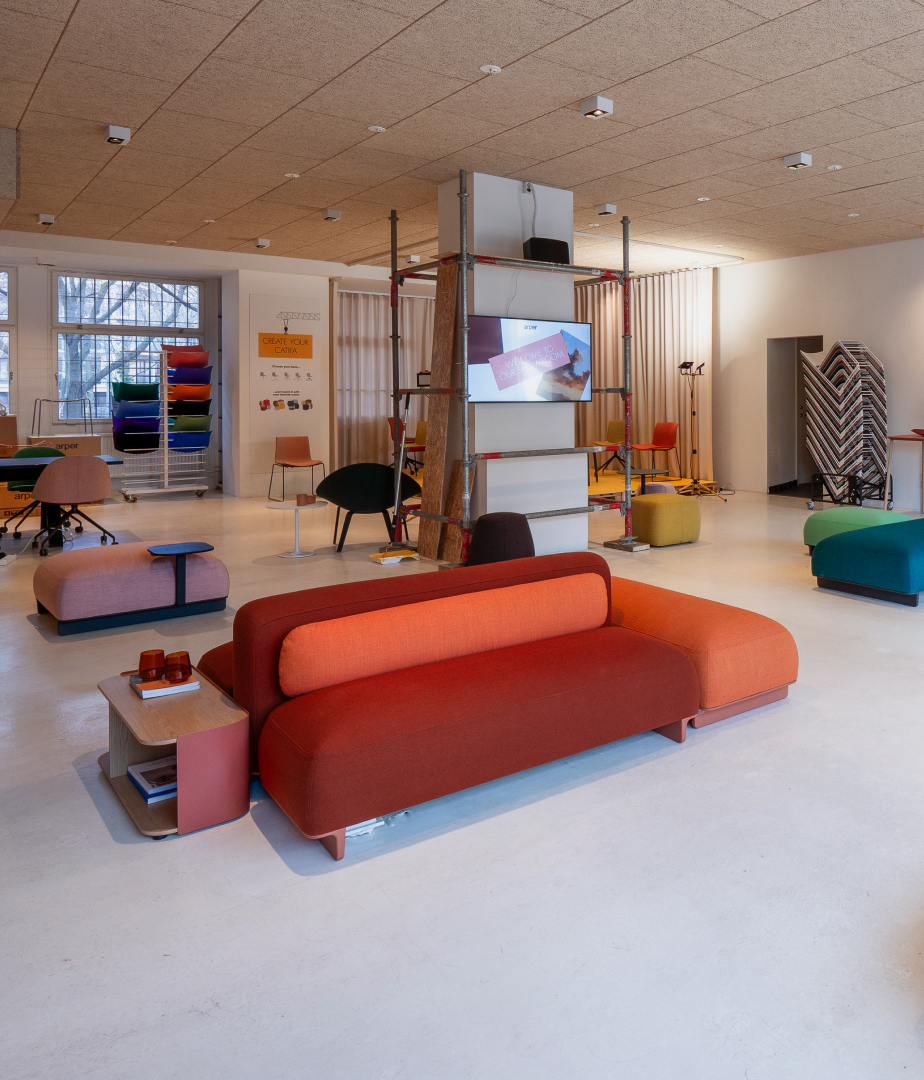
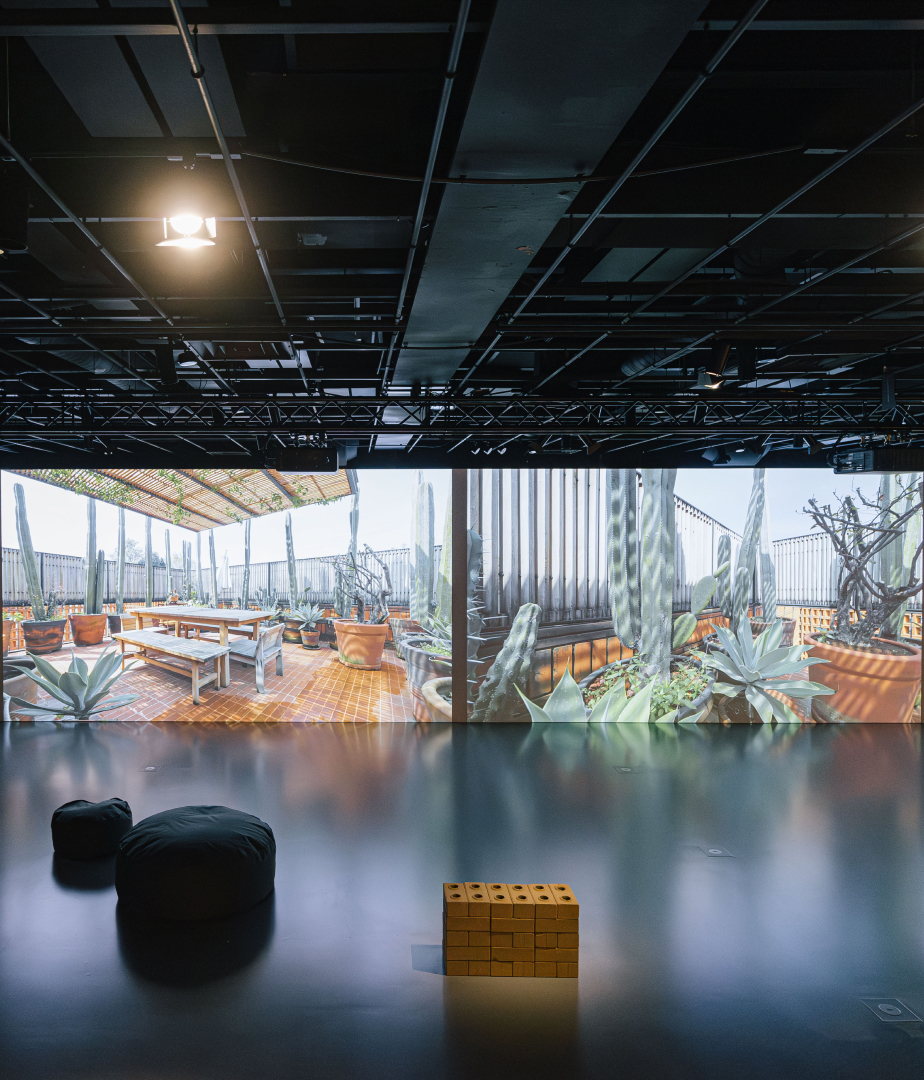
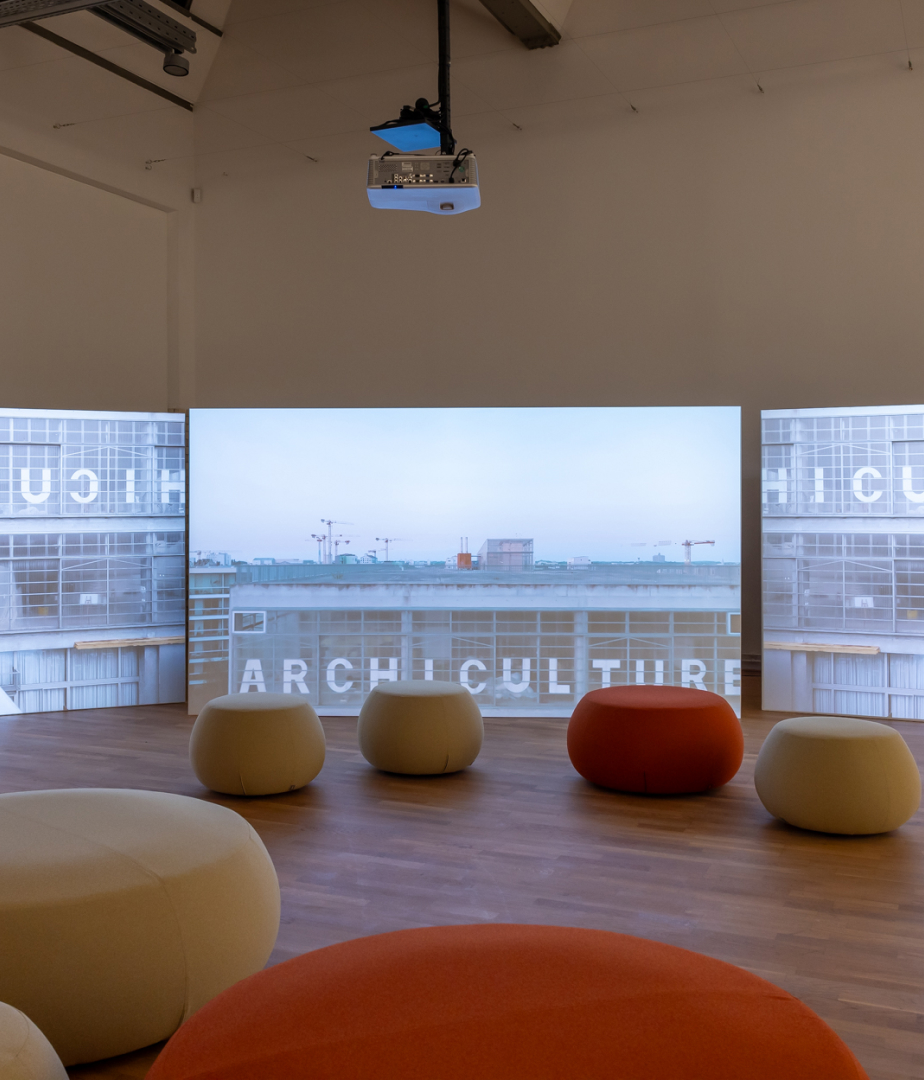
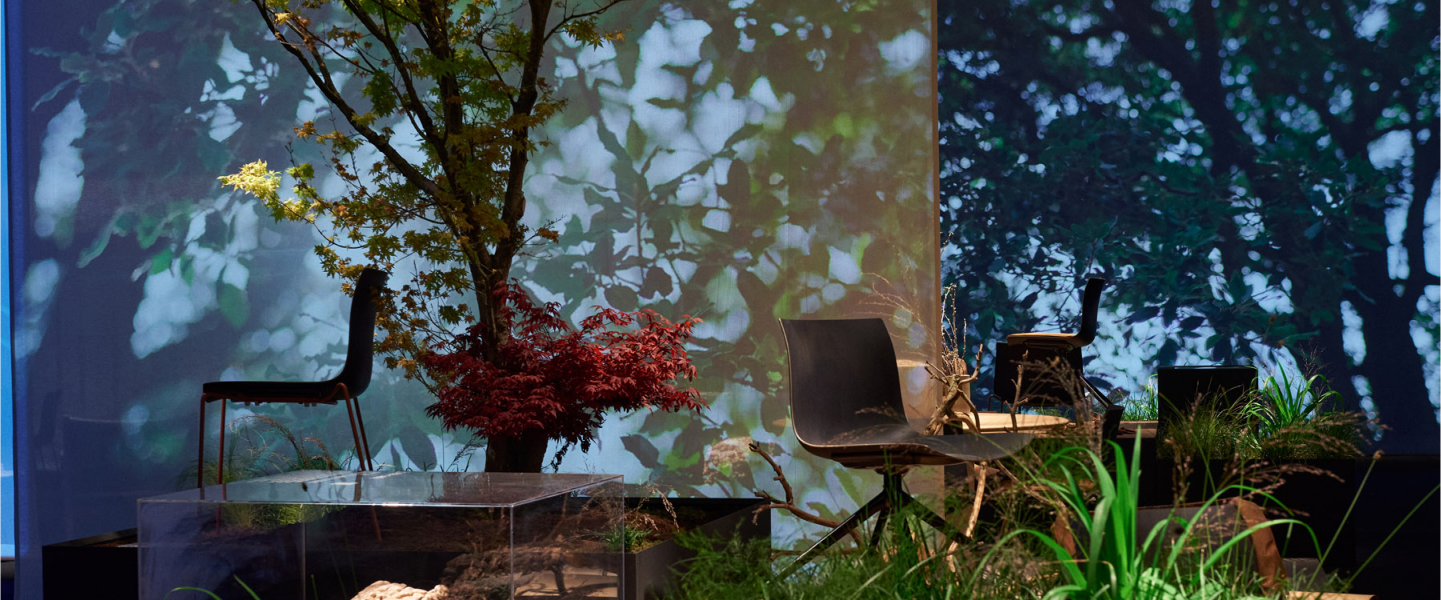
Die Reise führt den Besucher durch eine immersive Installation, in deren Mittelpunkt Kollektionen stehen, die auf anschauliche Weise die unterschiedlichen Aspekte unseres Alltagslebens in Szene setzen.
Entdecke mehr
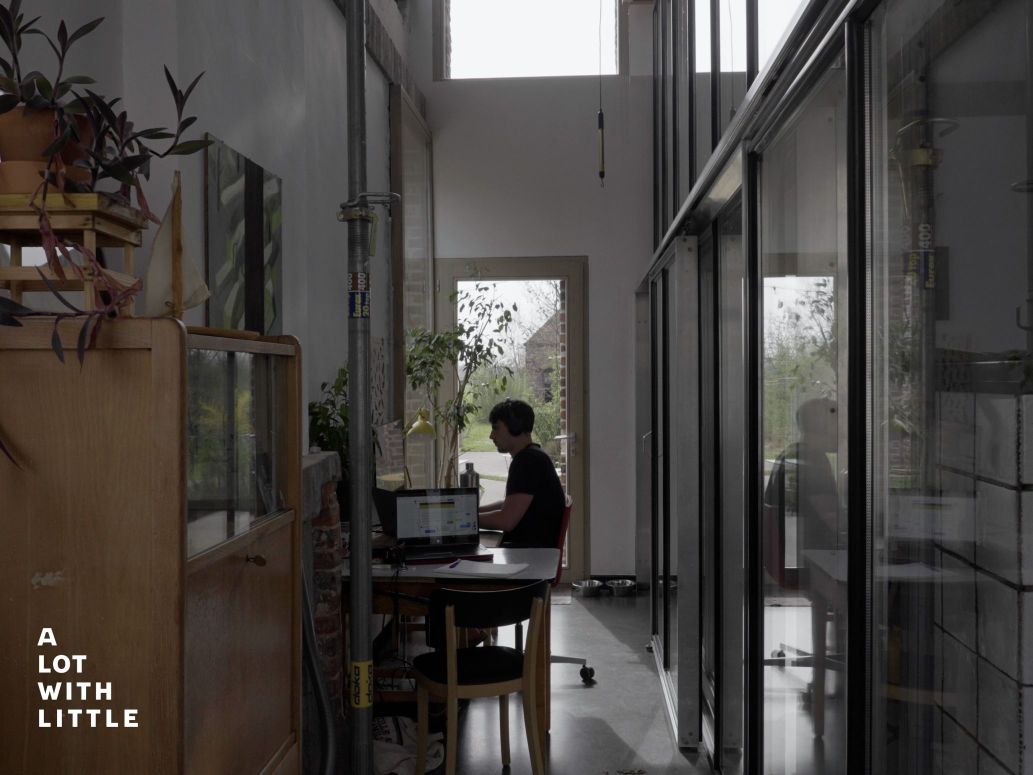
Die Multikanal-Filminstallation A Lot with Little, die am 26. April eröffnet wird, ist bis zum 30.Mai bei der Architect...
An interview with Roberto Monti, CEO of Arper, and Anders Breitholtz, CEO & Co-Founder of PaperS...
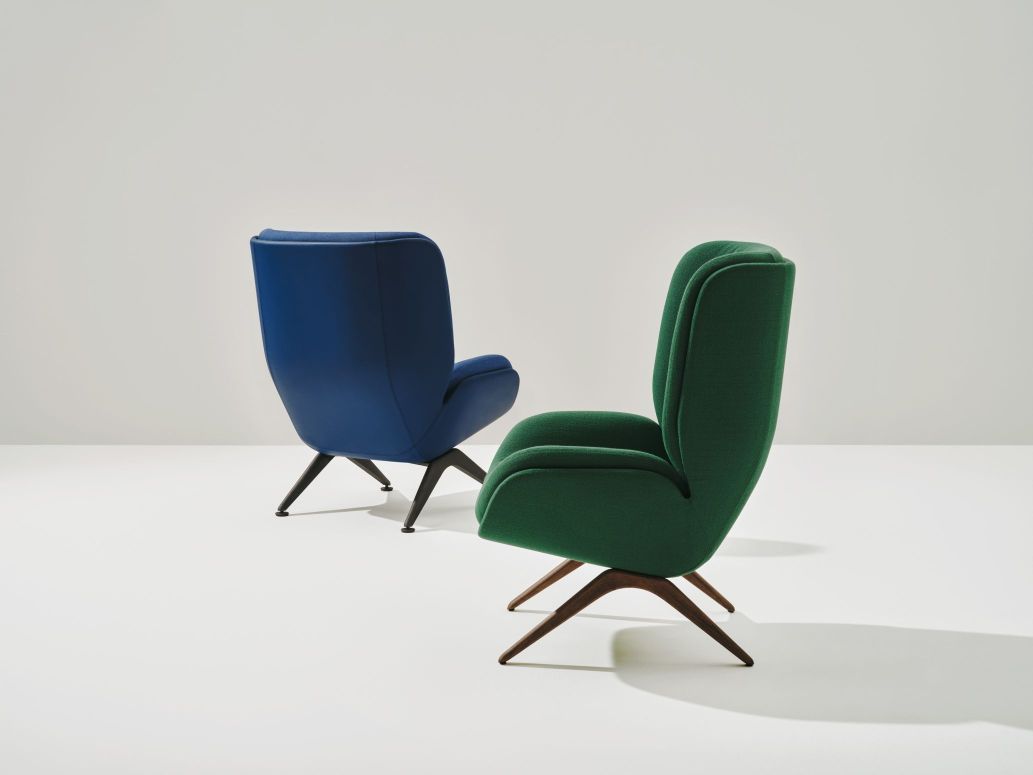
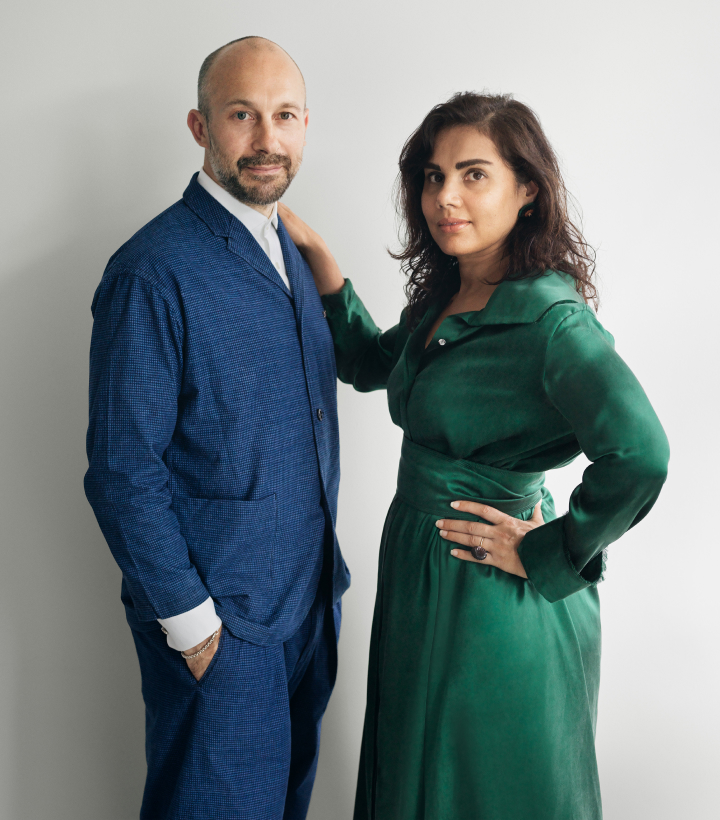
Nipa Doshi und Jonathan Levien sprechen über den Designprozess für den von ihnen entworfenen Sessel Lepal, der mit sei...